Introduction
If you're here, you've already learned that hard water can contribute to hair loss, breakage, and buildup—and that shower filters can help, but only in specific situations. You've probably read that filters reduce minerals, that soft water is better for hair, and that you need specialized products to combat the damage.
The real question isn't "Do shower filters work?"
It's "Which type works for YOUR water—and when is a filter not enough?"
The internet is filled with product recommendations that either oversell what filters can do or push expensive whole-house systems everyone doesn't need. This creates confusion: Should you buy a $30 shower filter or invest in a $1,500 water softener? Will a filter actually help your hair loss, or are you wasting money on something that can't address your specific problem?
This guide breaks down exactly which products help, which ones don't, and how to avoid spending money on the wrong solution for your situation. We'll be honest about limitations—because the worst outcome is buying something that can't solve your problem, getting disappointed, and giving up on solutions that might actually work.
Table of Contents
- Introduction
- Shower Filters vs Water Softeners: What's the Real Difference for Hair?
- When a Shower Filter Can Actually Help Your Hair
- How to Soften Hard Water for Hair Washing (Without Full Home Systems)
- Best Shower Filters for Hair Loss & Hard Water (Selection Criteria)
- When Shower Filters Aren't Enough
- Hard vs Soft Water for Hair: What the Science Actually Says
- The "Middle Ground": Real Water Softening for Renters
- Best Water Softeners for Hair (Homeowners Only)
- Filters Alone Won't Save Your Hair: The Complete System Approach
- Frequently Asked Questions
- Conclusion
Shower Filters vs Water Softeners: What's the Real Difference for Hair?
Before we discuss specific products, understanding the fundamental difference between these solutions prevents expensive mistakes.
Shower filters use various media (activated carbon, KDF, calcium sulfite) to reduce contaminants as water passes through. They physically trap or chemically neutralize chlorine, some heavy metals, and can reduce (but not eliminate) calcium and magnesium. Filters are temporary, require regular cartridge replacement, and work independently of your building's plumbing.
Water softeners use ion exchange to replace calcium and magnesium ions with sodium or potassium ions, actually eliminating hardness rather than just reducing it. They require installation into your plumbing system, ongoing maintenance (salt replenishment), and typically cost significantly more than filters.
| Feature | Shower Filter | Water Softener |
|---|---|---|
| Removes chlorine | ✅ Excellent | ✅ Yes (though not primary function) |
| Reduces calcium/magnesium | ⚠️ Limited (30-50% reduction) | ✅ Complete removal (95%+) |
| Helps hair loss from hard water | ⚠️ Sometimes (depends on water hardness) | ✅ Yes (addresses root cause) |
| Works for apartments/renters | ✅ Yes (removable, no plumbing) | ❌ No (requires permanent installation) |
| Installation | 5 minutes, hand-tighten | Professional or extensive DIY |
| Cost | $25-80 initial, $15-30 cartridges | $400-2500+ installation, ongoing salt |
| Maintenance | Replace cartridge every 3-6 months | Refill salt, occasional servicing |
| Addresses existing buildup | ❌ No | ❌ No (both prevent, don't cure) |
The decision tree:
If you rent → Skip to Shower Filters section. Softeners aren't an option, and filters provide the best available improvement.
If you own your home → Water Softeners section explains when the investment makes sense versus when a filter suffices.
If you have extreme hard water (>250 ppm) → Filters alone won't solve your problem. You need either a softener or aggressive product-based treatment regardless of filtration.
When a Shower Filter Can Actually Help Your Hair
Shower filters work best in specific scenarios, and understanding these boundaries prevents disappointment.
Situations Where Filters Provide Genuine Benefit
Chlorine-heavy municipal water: If your city heavily chlorinates water (common in many urban areas), a filter provides dramatic improvement. Chlorine strips natural oils, causes dryness and breakage, and irritates sensitive scalps. Filters excel at chlorine removal, often providing noticeable results within a week.
Mild to moderate hard water (60-180 ppm): In this range, a quality multi-stage filter can reduce mineral content enough to make a real difference when combined with proper chelating shampoos. The filter slows new buildup formation while your products address existing deposits.
Iron-rich water: Filters containing KDF media effectively reduce iron, preventing the orange staining and additional coating iron creates. This is particularly valuable for well water or areas with aging pipes.
Scalp sensitivity: Even if the filter doesn't dramatically reduce hardness, removing chlorine and some metals often eliminates scalp itching, irritation, and inflammation. For people whose primary complaint is scalp issues rather than hair damage, filters provide relief.
Budget constraints: Filters offer the most affordable entry point to water treatment. For $40-70, you get measurable improvement—not perfection, but meaningful results that make expensive products work better.
What Filters Cannot Do
Being clear about limitations is essential for setting realistic expectations.
They don't remove existing mineral buildup from your hair. The filter treats water coming from your showerhead, not the deposits already coating your hair shaft. You still need chelating shampoos to remove accumulated minerals.
They don't eliminate calcium and magnesium completely. Even the best shower filters reduce these minerals by 30-50% maximum. If your water is very hard (200+ ppm), you're still exposing your hair to significant mineral content after filtration.
They don't replace proper hair care products. Filters are preventive, reducing the rate of new damage. They don't negate the need for chelating shampoos, proper conditioning, or appropriate styling products.
They lose effectiveness over time. Filter media becomes saturated, and performance degrades significantly before you visually notice any change. Strict cartridge replacement schedules are mandatory—expired filters provide minimal benefit.
For detailed exploration of how filters specifically impact hair loss and shedding patterns, see Do Shower Filters Really Help With Hair Loss & Hard Water?.
How to Soften Hard Water for Hair Washing (Without Full Home Systems)
Softening hard water for hair washing doesn’t always require installing a full home water softener. For renters or apartment dwellers, a high-quality shower filter combined with a weekly chelating shampoo can remove 70–80% of mineral buildup that causes dryness, frizz, and hair breakage.
This approach is especially effective if your hair feels greasy at the roots but dry at the ends — a common sign of mineral residue interfering with natural oil distribution.
Best Shower Filters for Hair Loss & Hard Water (Selection Criteria)
Before recommending specific products, understanding what makes a filter effective helps you evaluate any option you encounter.
Multi-stage filtration: Single-media filters (just carbon or just KDF) address limited contaminants. Multi-stage systems combining different media provide broader protection.
KDF-55 or KDF-85: These copper-zinc alloys excel at removing chlorine, heavy metals, and reducing bacteria through redox reactions. KDF-55 works best in warm water; KDF-85 handles cold better. Quality filters include KDF media as a primary component.
Calcium sulfite: This media specifically targets chlorine and chloramines, working effectively even in hot water where carbon's efficiency decreases. It's particularly important if your city uses chloramine treatment.
Activated carbon: Removes organic compounds, improves taste and odor, and provides additional chlorine reduction. Look for coconut shell carbon for higher quality.
Flow rate ≥ 2.0 GPM: Adequate water pressure matters for comfortable showers. Filters should maintain at least 2.0 gallons per minute flow rate even when new.
Replaceable cartridges: Avoid "lifetime" filters that claim no replacement needed. All filter media saturates eventually. Replaceable cartridges are essential for maintained performance.
Standard threading: The filter should attach to standard shower pipes (½ inch NPT is common) without requiring special adapters or permanent modifications.
Recommended Shower Filters
These selections represent different priorities—budget, performance, specific water issues—with honest assessments of what each does well and what it cannot address.
Disclaimer: As an Amazon Associate, we earn from qualifying purchases.
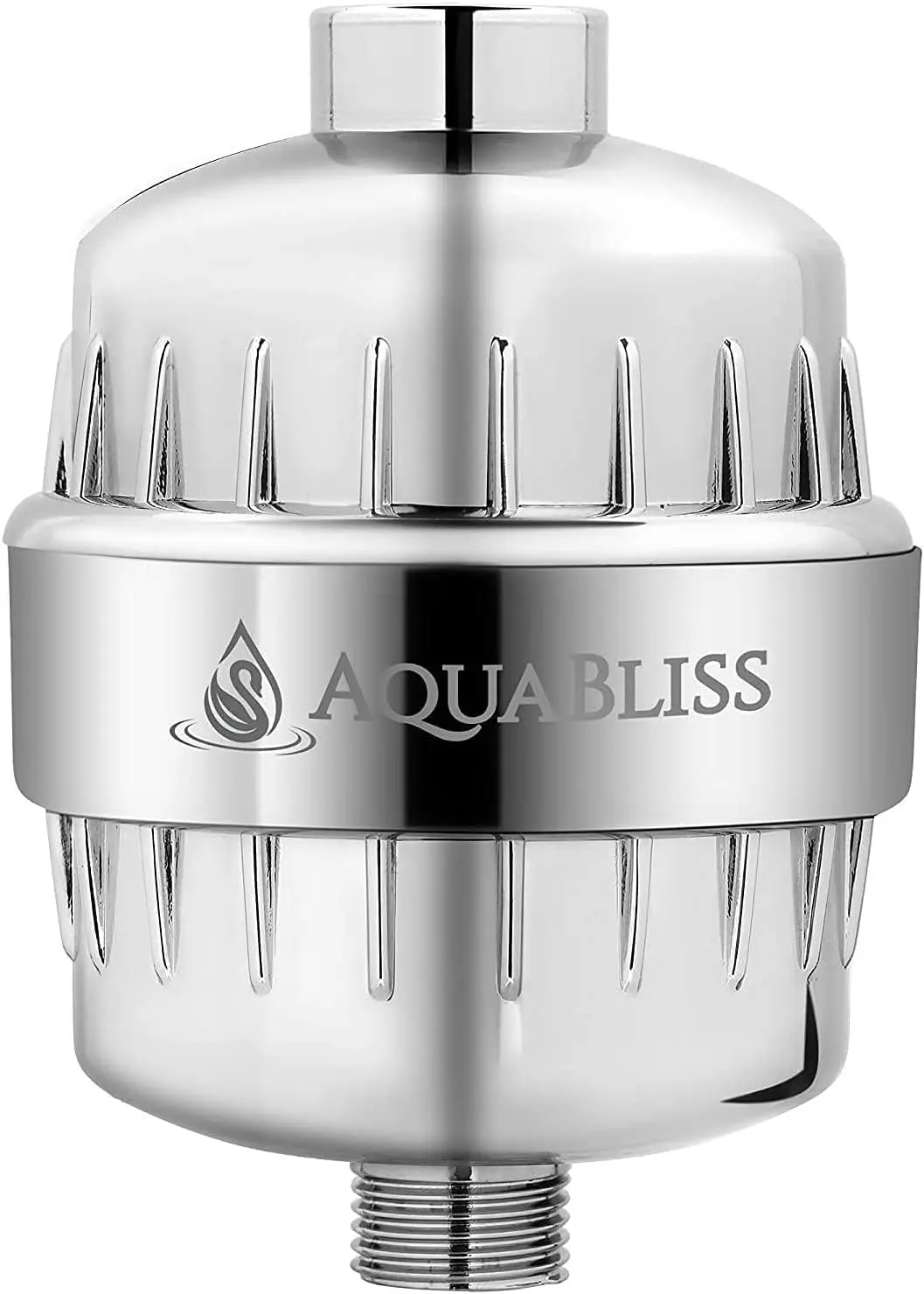
High Output Revitalizing Shower Filter (SF100)
Multi-stage filtration (KDF-55, activated carbon, calcium sulfite) that effectively reduces chlorine and provides modest mineral reduction. Installation takes literally 5 minutes. Users report noticeably softer hair and reduced frizz within 1-2 weeks.
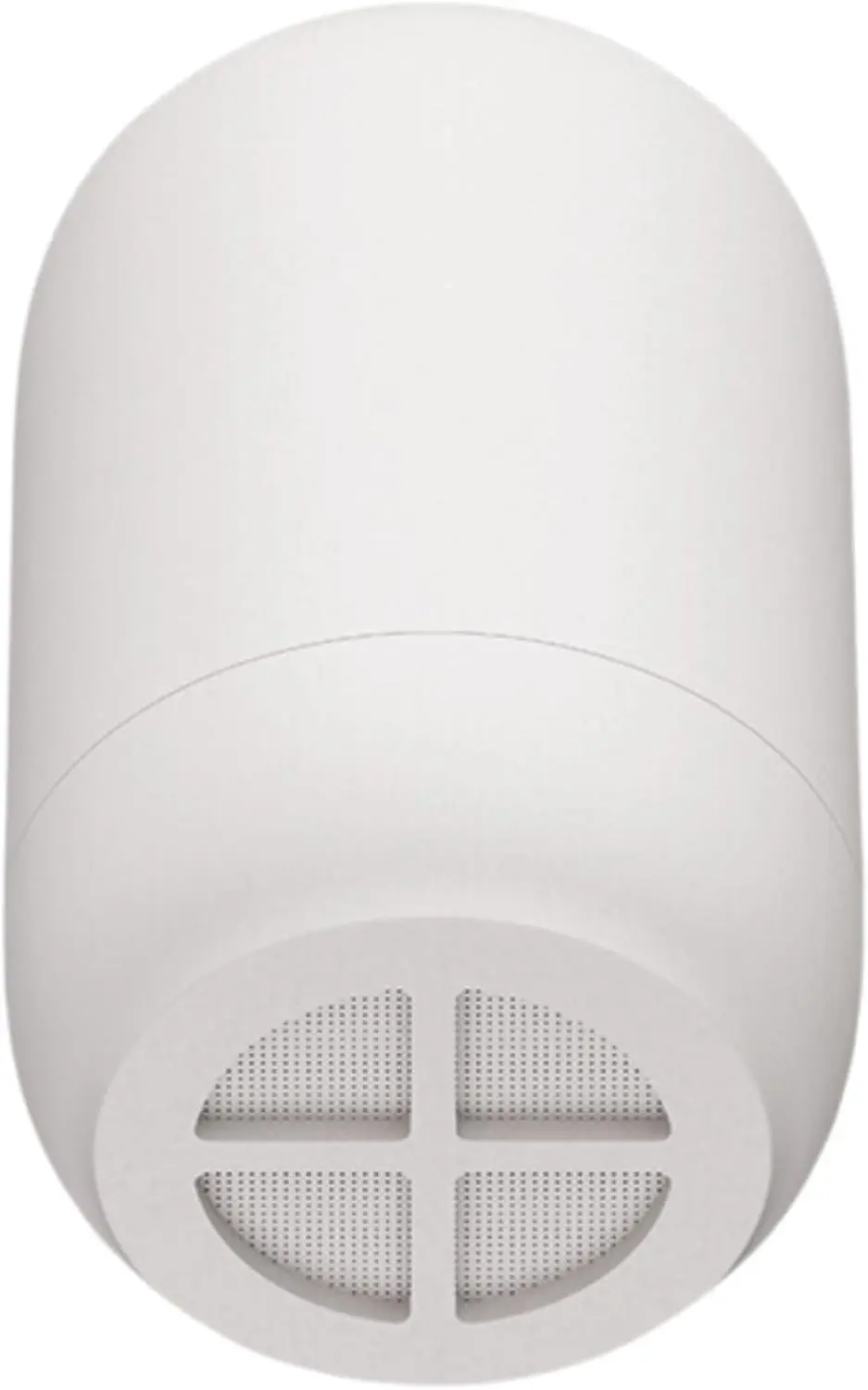
Shower Filter 2.0
Uses KDF and calcium sulfite to reduce chlorine and irritants. Notable for maintaining or even improving water pressure compared to other filters. A premium choice for visible softness and shine improvements.
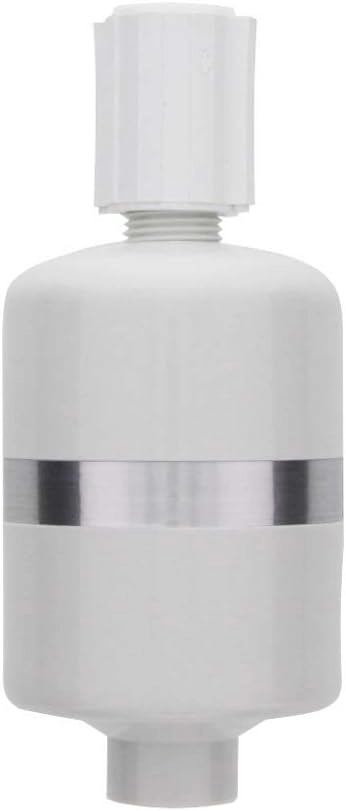
Shower Filter
Known for exceptional cartridge lifespan—approximately 20,000 gallons or one year. It uses KDF and calcium sulfite for reliable chlorine and mineral reduction, making it a low-maintenance favorite.
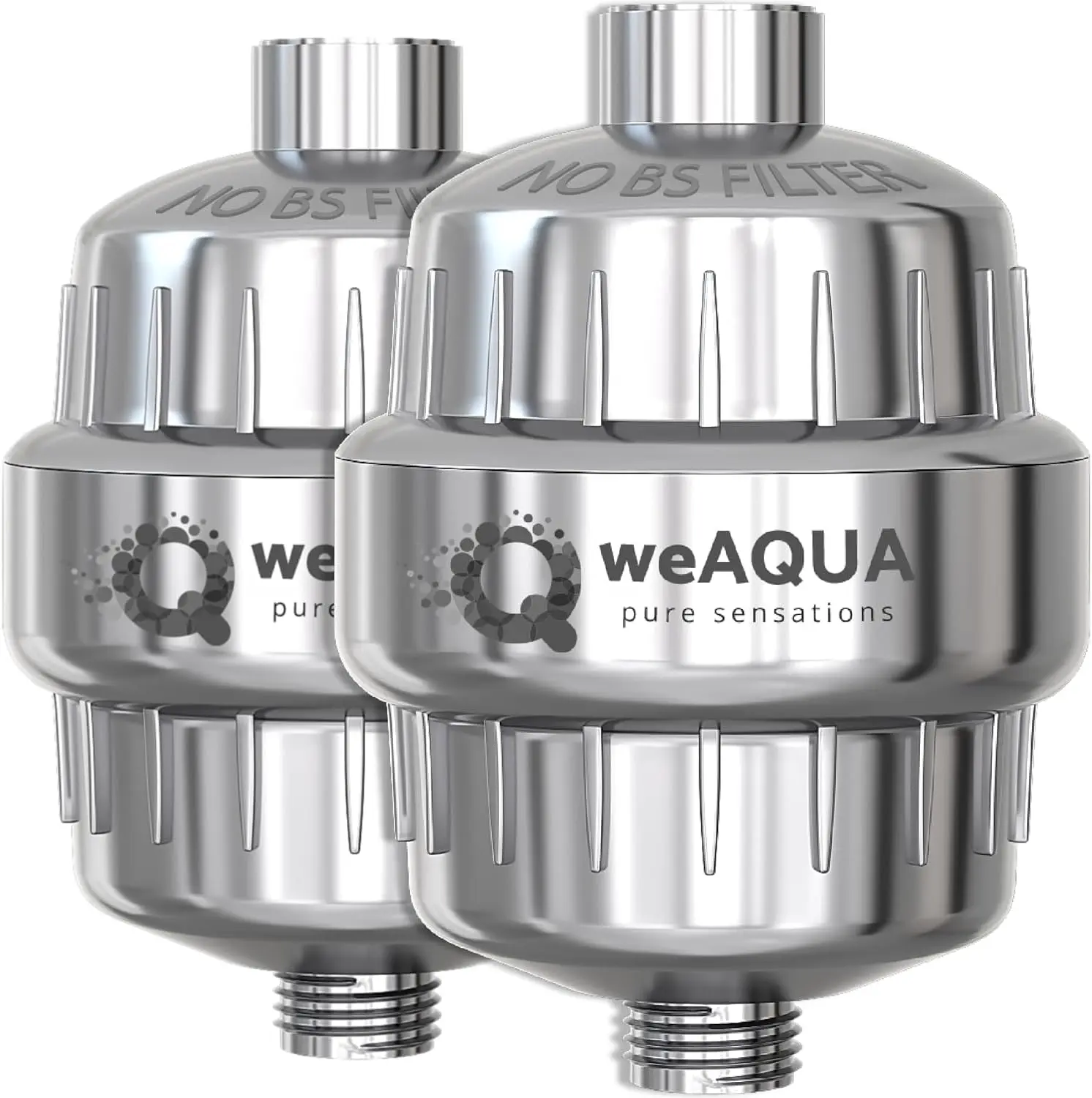
Heavy Duty NO BS Shower Filter
A straightforward, budget-friendly option using reliable KDF + calcium sulfite media. It delivers 70-80% of the benefit of premium filters at a fraction of the cost. Ideal for testing if filtration helps your hair.
Important Reality Check
None of these filters solve the complete problem alone. They reduce exposure to damaging contaminants and slow mineral accumulation, but they don't remove existing buildup or eliminate all hardness.
You still need:
- Chelating shampoos with EDTA every 1-2 weeks
- Proper conditioning after chelating treatments
- Realistic expectations about what "improvement" means
Filters work best as part of a complete system, not as standalone solutions. For guidance on building that complete approach, see Best Hair Care Routine for People Living in Hard Water Areas.
When Shower Filters Aren't Enough
Some situations exceed what shower filtration can reasonably address. Recognizing these scenarios prevents frustration and wasted money.
Signs You Need More Than a Filter
Visible white residue on everything water touches—faucets, shower doors, dishes. This indicates extreme hardness (likely >250 ppm) that filters can't adequately reduce.
Chelating shampoo needed weekly or more frequently. If buildup returns within 5-7 days despite using a quality filter and proper chelating products, mineral content is overwhelming the filter's capacity.
Water testing above 180-200 ppm. Most filters reduce hardness by 30-50%. If you start at 250 ppm, a 50% reduction still leaves you at 125 ppm—solidly in "hard" territory. The filter helps but doesn't solve the core problem.
Well water with high iron content. If your water tests show iron levels above 0.3 ppm along with high hardness, you're dealing with a combination that shower filters can't adequately address. The iron creates its own staining and damage on top of calcium/magnesium issues.
Persistent scalp inflammation despite filtration. If a filter eliminates chlorine but your scalp remains irritated, inflamed, or develops sores, the mineral content itself is creating problems that require either medical attention or water softening.
Multiple people in household with same hair problems. When everyone's hair deteriorates after moving to a location, the water quality is the common factor, and comprehensive treatment becomes necessary.
Hard vs Soft Water for Hair: What the Science Actually Says
People often ask whether soft water is "better" for hair, and the answer requires nuance.
Soft water is objectively better for hair health because it doesn't deposit minerals that coat strands, disrupt cuticles, or block moisture and products. It allows your hair care routine to work as intended rather than constantly fighting mineral interference.
However, soft water requires routine adjustments. People installing water softeners often complain their hair became greasy, flat, or lifeless. This isn't because soft water is bad—it's because they're using a hard water routine with soft water. The same shampoo amount that barely cleaned in hard water now strips excessively. The heavy conditioner needed for mineral-damaged hair now weighs down healthy strands.
For fine or thin hair specifically: Soft water can be challenging because minerals from hard water, while damaging, did add some texture and grip that helped with volume. When those minerals are removed, fine hair can become too soft, losing body and structure. This is manageable with proper products (volumizing formulas, dry shampoos) but requires awareness.
The bottom line: If you can have soft water (through either filtration adequate for your hardness level or actual softening), it provides better long-term hair health. But you must adjust your entire routine to match the new water chemistry.
For comprehensive comparison of how different water types affect hair and what adjustments each requires, see Hard Water vs Soft Water: Which Is Worse for Hair?.
The "Middle Ground": Real Water Softening for Renters
If you rent but have extreme hard water (>250 ppm) or well water, the standard filters listed above might not be enough. Filters can reduce chlorine and take the "edge" off, but they cannot chemically remove the calcium and magnesium that cause buildup.
Until recently, renters were stuck. But there is one product on the market that bridges the gap. It attaches to your shower head like a filter, but it functions like a $2,000 whole-house system using ion-exchange resin. It is widely considered the "nuclear option" for renters with terrible water.
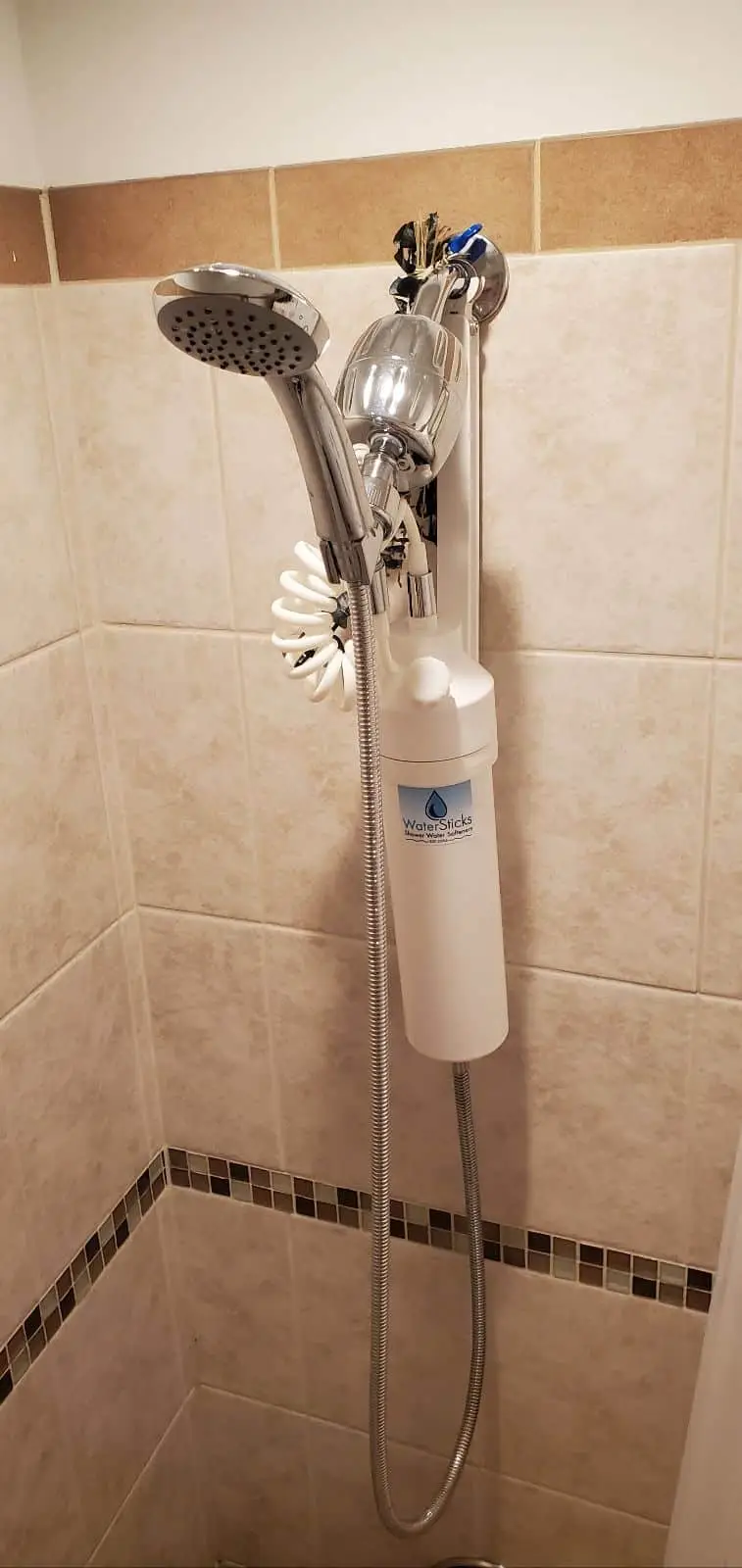
ShowerStick (Portable Water Softener)
This is NOT a filter. It is a true portable water softener that uses resin beads to physically remove calcium and magnesium ions. It connects to your shower arm like a filter but provides the same soft water as a whole-house system.
Best Water Softeners for Hair (Homeowners Only)
Water softeners represent significant investment—$500-2500+ depending on system capacity, features, and installation complexity. They're only appropriate if you own your home or have landlord permission for permanent plumbing modification.
When Softeners Make Sense
Extreme hard water (>200 ppm consistently). At this level, even aggressive product-based treatment and shower filters struggle to keep up with damage. Softening the water at the source becomes the most effective long-term solution.
Whole-household water issues. If everyone's hair is damaged, skin is dry and irritated, soap doesn't lather anywhere, dishes have spots, and laundry feels stiff, you have a systemic water quality problem affecting your entire home. Whole-house softening addresses all of these simultaneously.
Long-term residence. Softeners are investments that pay off over years. If you plan to stay in your home for 5+ years, the cost becomes reasonable when divided across that timeframe. For short-term residences, filters make more financial sense.
Failed results with filters and products. If you've consistently used chelating shampoos, maintained a quality shower filter, followed proper routines, and still experience severe damage, the water quality likely exceeds what these measures can manage. Softening becomes necessary.
Whole House Water Softeners
These systems treat all water entering your home, providing comprehensive protection for hair, skin, appliances, and plumbing.
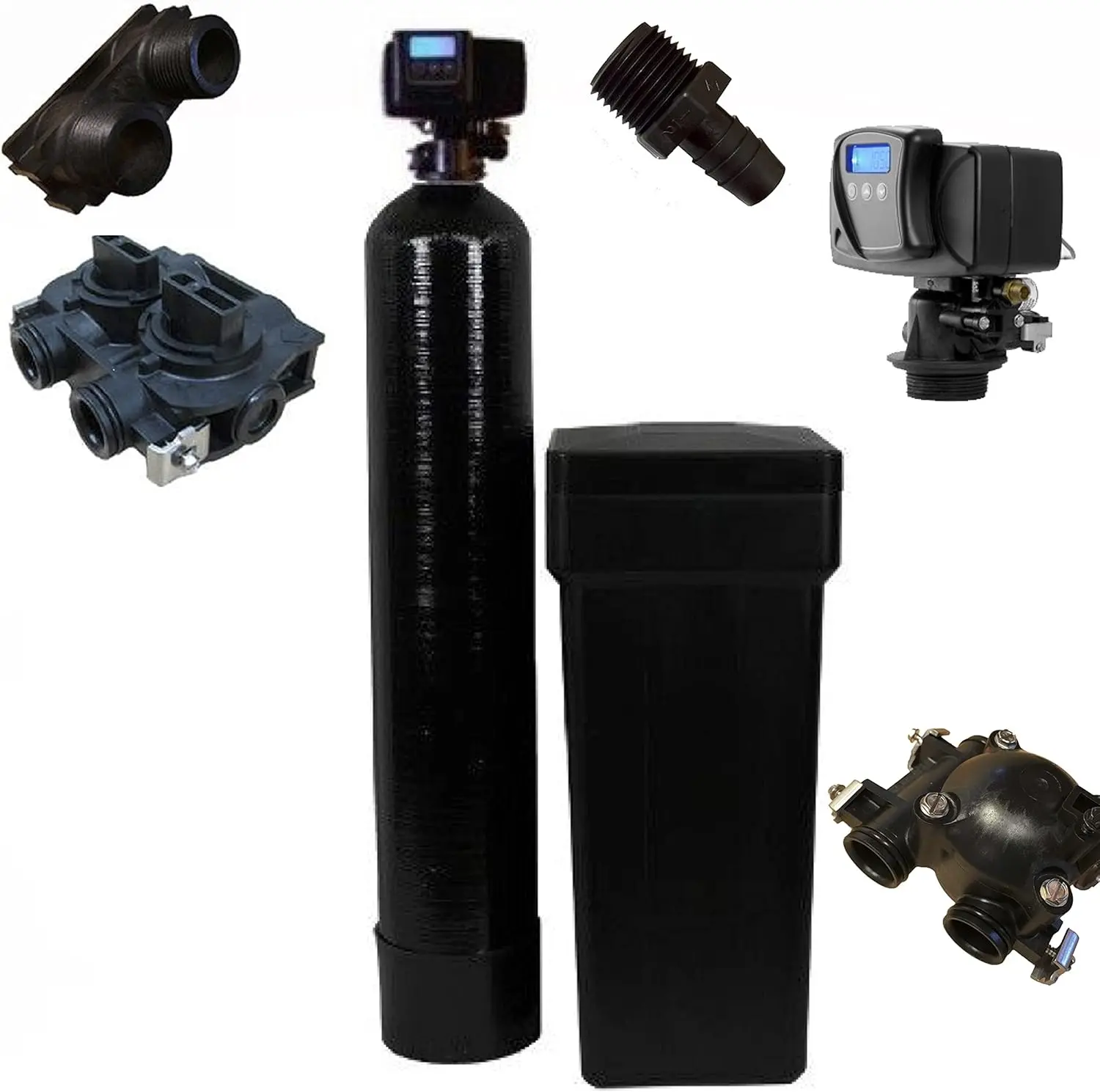
5600SXT Water Softener
Genuine ion exchange water softener that actually eliminates hardness minerals (calcium/magnesium) rather than just reducing them. Requires plumbing installation but solves hard water problems completely for the whole home.
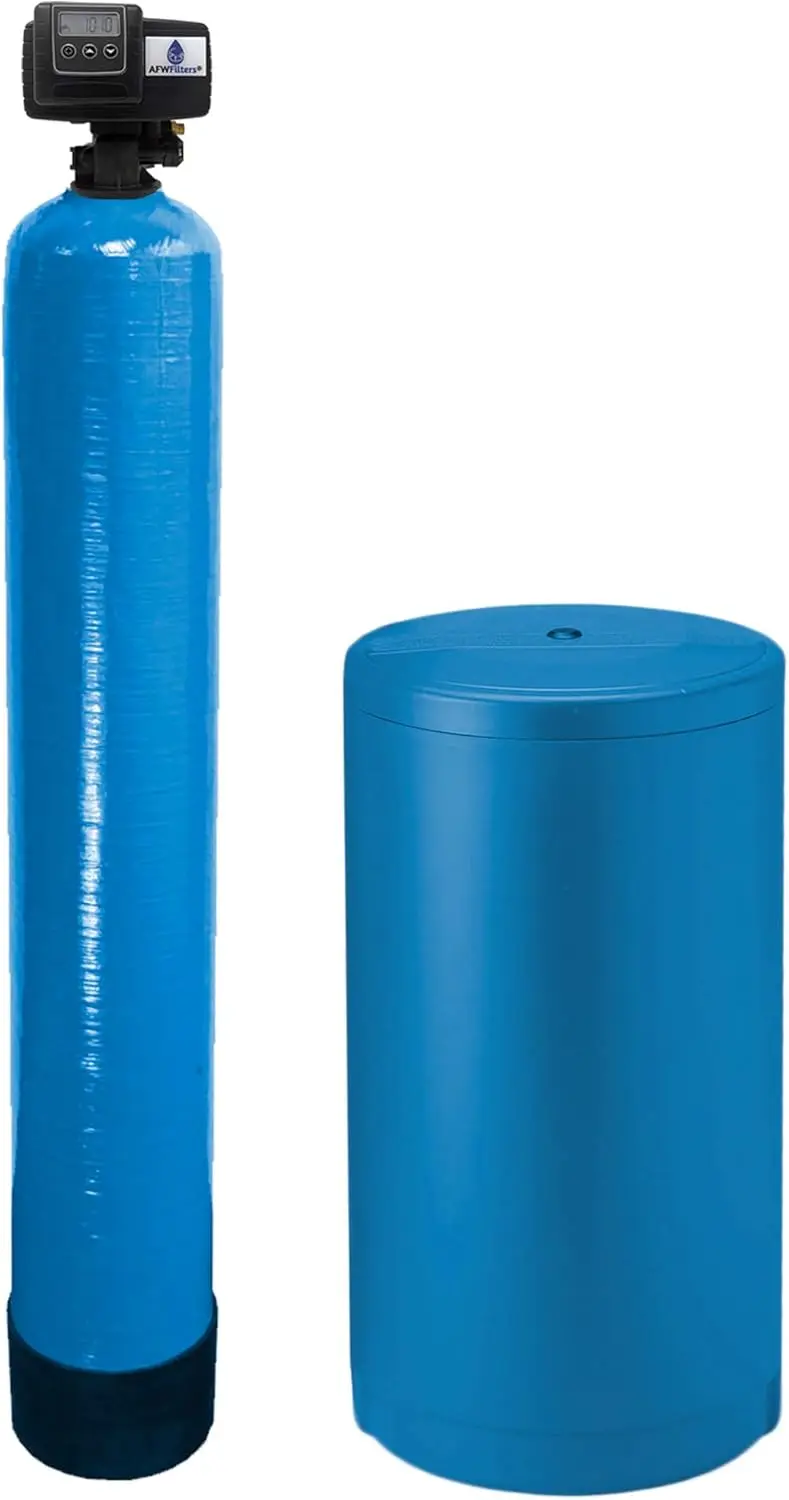
Iron Pro 2 (For Well Water)
Specialized fine-mesh resin system designed for well water containing both high iron (up to 8ppm) and hardness. It prevents the orange/brassy staining and damage that standard softeners cannot handle.
Filters Alone Won't Save Your Hair: The Complete System Approach
This is the most important section of this entire guide, and it's where most product-focused articles fail you.
The truth: No product—not the best shower filter, not a $2000 water softener—will give you healthy hair on its own. Water treatment addresses one factor (preventing new mineral deposits), but it doesn't address existing damage or provide complete hair care.
Why You Still Need Chelating Shampoo
Even with a perfect water softener eliminating all hardness, you have months or years of mineral buildup already coating your hair. The softener prevents new deposits from forming, but the old coating remains until you actively remove it.
EDTA (ethylenediaminetetraacetic acid) and similar chelating agents are the only ingredients that break the chemical bonds between minerals and hair proteins. This isn't something water softeners do—they treat incoming water, not your hair.
Frequency with softened water: Even after installing a softener, you need chelating treatments for the first 4-6 weeks to remove accumulated buildup. After that, occasional chelating (every 6-8 weeks) maintains results and addresses any trace minerals from plumbing or external exposure.
Frequency with filtered water: Shower filters reduce but don't eliminate minerals, so chelating remains essential ongoing—typically every 7-14 days depending on water hardness and filter quality.
For specific product recommendations and detailed guidance on using chelating treatments effectively, see Shampoos That Actually Work for Hard Water Hair.
Why Proper Conditioning Still Matters
Chelating removes protective coating along with minerals, leaving hair temporarily vulnerable. Deep conditioning immediately after chelating treatments is non-negotiable—it replaces moisture and creates protective layers that healthy hair needs.
The specific conditioner type matters based on your hair type and whether you have filtered or softened water. This isn't one-size-fits-all advice.
Why Routine Adjustment Is Essential
Installing a filter or softener changes your water chemistry, which means your entire hair care routine must change accordingly. The products and techniques that worked (or didn't work) with your previous water won't produce the same results with treated water.
Common mistake: People install a softener, continue using the same heavy moisturizing products they needed for hard water damage, then complain their hair is greasy and flat. The problem isn't the softener—it's the unchanged routine.
For complete guidance on building routines that work with your specific water type, see Best Hair Care Routine for People Living in Hard Water Areas.
For understanding how to adjust frequency of different treatments based on your water situation, explore ACV Rinse, Clarifying Shampoo & Frequency: What Actually Works?.
Frequently Asked Questions
Conclusion
The question "What should I buy for hard water hair?" doesn't have a universal answer, and anyone claiming otherwise is oversimplifying or trying to sell you a specific product regardless of your needs.
Your situation determines the right solution:
If you're a renter with moderate hard water and primarily concerned about chlorine and scalp irritation, a quality shower filter like the AquaBliss or Hello Klean provides excellent value and noticeable improvement within weeks.
If you're a homeowner with very hard water (180+ ppm) affecting your entire household—damaged hair, dry skin, spotted dishes, scale buildup on fixtures—a water softener like the Fleck 5600SXT solves the problem comprehensively and pays for itself through reduced appliance damage and product costs over time.
If you're dealing with well water containing both high hardness and iron, the Fleck Iron Pro 2 addresses both issues simultaneously—essential for managing the combination that standard filters can't adequately handle.
But here's what every situation has in common: No water treatment product works effectively without proper hair care products and routine adjustments. Filters and softeners prevent new damage; chelating shampoos remove existing damage. Treated water creates better conditions; appropriate conditioning and styling products maintain hair health.
The most expensive water softener won't give you healthy hair if you're not using chelating shampoos to remove existing buildup. The best shower filter won't stop breakage if you're over-washing and stripping your hair. Soft water will make your hair greasy and flat if you don't adjust your product types and amounts.
Success requires a system approach:
- Treat your water to the extent your situation allows (filter or softener)
- Remove existing mineral buildup with proper chelating products
- Adjust your routine to match your water chemistry
- Maintain consistency and realistic expectations
Start with the water treatment appropriate for your living situation and water hardness. Give it 3-4 weeks of consistent use combined with proper chelating routine before evaluating results. Adjust as needed based on how your hair responds rather than expecting overnight transformation.
Your hair can recover from hard water damage and thrive despite mineral-heavy water—but only when you address both the water quality and your hair care approach simultaneously.