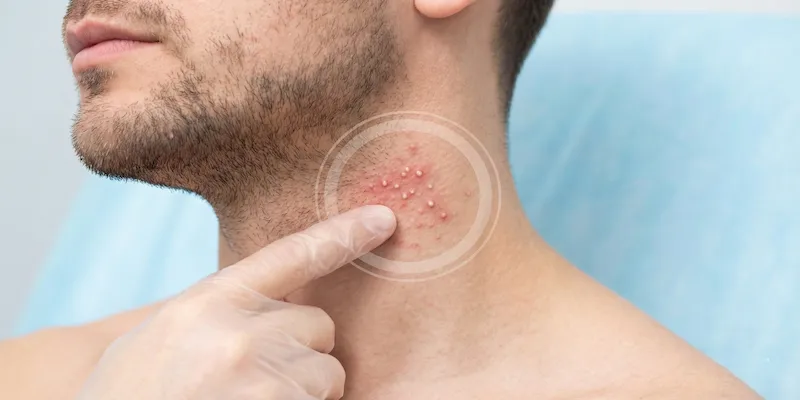
Whiteheads after electric shaving usually appear due to clogged pores, dull blades, bacteria buildup, or excessive pressure on sensitive neck skin. Unlike razor burn, whiteheads form when trapped sebum and dead skin become inflamed following shaving irritation. Proper cleaning, lighter pressure, and adjusting your shaving technique can significantly reduce breakouts within a week or two.
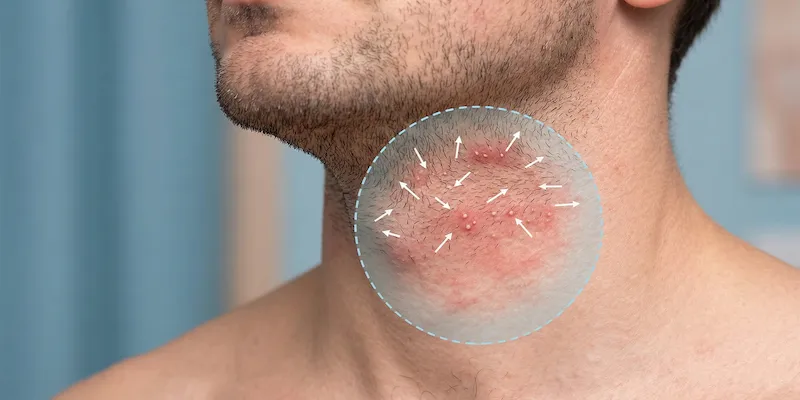
You switched to an electric shaver to avoid irritation — and now you're getting whiteheads on your neck instead. It feels like a lose-lose situation.
The good news: this is almost always fixable. Whiteheads after electric shaving aren't random. They show up because of specific, identifiable things happening at the skin and follicle level. Once you know what's triggering them, the fix is usually simple.
This guide walks through the main causes — from the obvious (dirty blades) to the ones most people miss (hard water residue on the foil, post-shave towel bacteria, and even nickel sensitivity from the foil itself).
Table of Contents
What Causes Whiteheads After Electric Shaving?
The neck is the most reactive shaving zone on most people's faces. The skin is thinner, the hair grows in multiple directions, and the contours make consistent technique harder to maintain. Any one of the following causes can trigger breakouts — and two or three at the same time is more common than you'd think.
1 Clogged Pores from Dead Skin and Trapped Sebum
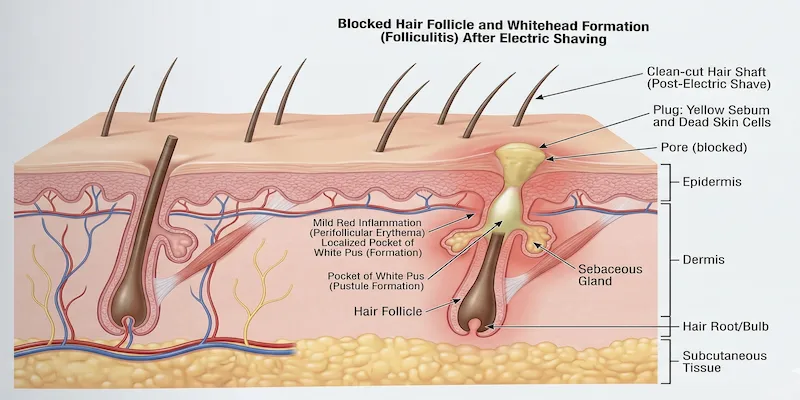
Your skin produces sebum (natural oil) constantly. During shaving, dead skin cells, sebum, and cut hair fragments get pushed around — and if any of this material gets driven back into the follicle instead of rinsed away, it blocks the pore. That blockage is the starting point for a whitehead.
Keratin buildup — the protein that makes up the outer skin layer — also contributes. Without regular exfoliation, dead keratin accumulates and acts as a physical cap over follicle openings. Shaving over this layer pushes debris further in rather than clearing it out.
2 Bacteria on a Dirty Shaver Head
This is the most common and most underestimated cause. The inside of your shaver head — especially after a few shaves without deep cleaning — is a warm, moist environment with hair, dead skin, and oil residue. That combination supports microbial growth very efficiently.
When you press a contaminated foil against your skin, you're introducing that bacterial load directly into freshly disrupted follicles. The result is an acneiform reaction — not true acne in the dermatological sense, but pus-filled bumps that look and behave the same way. The neck is worse than the jaw because the skin there is more porous and the follicles are larger.
A quick rinse under water is not a deep clean. Alcohol cleaning — either an alcohol spray on the foil or a cleaning station with a disinfecting solution — kills the bacteria that cause these breakouts. Do this at least twice a week if you're prone to neck breakouts.
3 Dull Blades Creating Friction and Micro-Tears
A sharp blade cuts hair cleanly in a single motion. A dull blade drags the hair, creates friction against the skin surface, and sometimes pulls the hair slightly before cutting it. Each of those micro-tears in the skin barrier is an entry point for bacteria and a trigger for inflammation.
The neck is particularly sensitive to this because the skin there has a weaker barrier than the cheeks or jaw. What causes mild redness on your cheek can cause active whitehead formation on your neck with the same dull blade.
If your shaver tugs instead of glides, dull blades are almost certainly part of the problem. The full mechanical picture is covered in our guide: Electric Razor Pulling Hair? 5 Mechanical Reasons Your Shaver Isn't Cutting Properly.
4 Too Much Pressure on the Neck
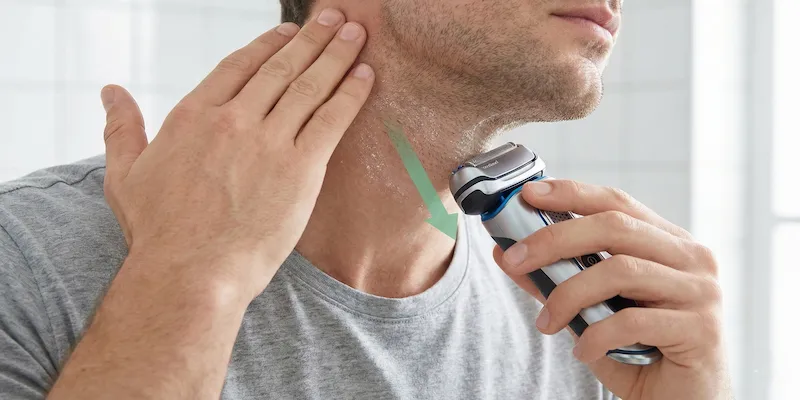
The most common technique mistake. People press harder on the neck because the contours are awkward — and pressing harder feels like it should give a closer result. It doesn't. It increases friction, creates micro-tears in the skin barrier, and compresses follicle openings so they trap whatever debris is on the surface.
Light, consistent pressure — where the shaver rests on the skin under its own weight rather than being pushed against it — is the technique that prevents this. Stretch the skin with your free hand to create a flat surface, and let the motor do the cutting work. You'll notice the difference in the first shave.
Quick Symptom Diagnosis Table
Use this table to match your specific symptom to the most likely cause:
| Symptom | Likely Cause | Quick Fix |
|---|---|---|
| Small white bumps, no pain | Clogged pores / keratin buildup | Gentle exfoliation 1–2× weekly |
| Painful, inflamed red bumps | Bacterial contamination (dirty shaver) | Deep clean shaver with alcohol spray |
| Breakout only after certain shaves | Dull blades creating micro-tears | Replace foil and blade block |
| Red irritation + bumps immediately | Too much pressure / friction | Use lighter strokes, stretch skin taut |
| Bumps appear day after shaving | Post-shave contamination | Change pillowcase, use clean towel |
| Reaction to foil contact (not bumps) | Possible nickel sensitivity in foil | Try hypoallergenic foil model |
Are Whiteheads the Same as Razor Bumps?
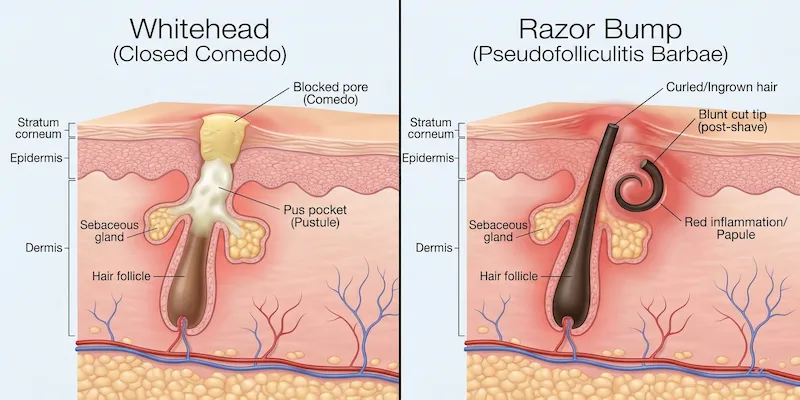
They look similar and appear in the same areas, but they have different causes and need different approaches.
| Whiteheads | Razor Bumps | |
|---|---|---|
| What's inside | Pus (sebum + bacteria) | Ingrown hair curled under skin |
| Cause | Clogged follicle, bacterial inflammation | Hair growing back into skin after cutting |
| Feel | Often painless or mildly tender | Itchy, sometimes painful |
| Common with electric shaving? | Yes — especially dull blades + dirty head | Less common than with razor blades |
| Fix | Exfoliation + cleaner shaver hygiene | Adjust cutting technique, use foil shaver |
There's also a third category worth naming: folliculitis. This is an actual infection of the hair follicle — deeper than a whitehead, more painful, and sometimes requiring treatment. If bumps on your neck are deep, hot to the touch, and don't resolve within a week, that's folliculitis rather than a surface-level whitehead, and it warrants a visit to a dermatologist.
The acneiform reaction from a contaminated shaver head sits between these categories — it looks like acne (pus-filled, surface-level) but is triggered by bacterial contamination rather than hormonal sebum overproduction. It resolves faster than real acne once you clean the shaver properly.
How to Prevent Whiteheads When Using an Electric Shaver
Step 1: Clean the Shaver Head Properly After Every Use
A quick tap to dislodge hair fragments and a rinse under water is maintenance, not cleaning. For people prone to neck breakouts, the standard is higher.
- After every shave: rinse the head under warm water and let it air dry with the head off.
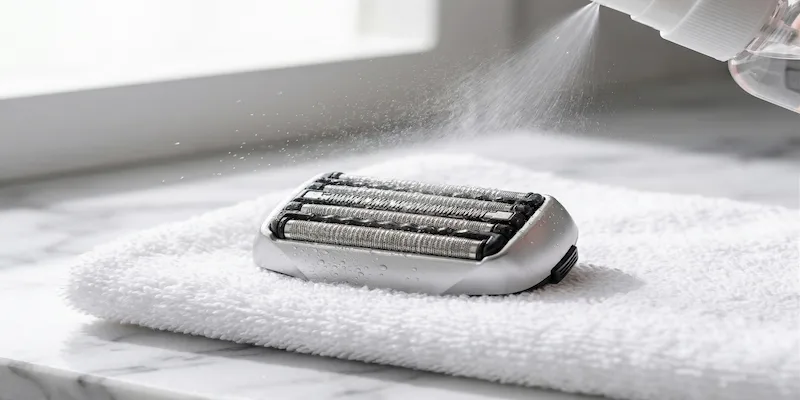
- Twice a week: spray the foil with an isopropyl alcohol-based shaver spray and run the motor for five seconds to distribute it through the cutting mechanism.
- Once a week: remove the blade block entirely, rinse all components individually, and check for any buildup between the blades.
If you live in a hard water area, calcium deposits inside the head accelerate bacterial buildup and add friction that irritates the skin. A monthly vinegar soak clears this completely.
Step 2: Exfoliate 1–2 Times Per Week
Chemical exfoliation is more effective than physical scrubbing for this purpose. A salicylic acid cleanser (1–2%) used two evenings per week clears the keratin buildup and dead skin that blocks follicle openings before shaving pushes it further in.
Physical exfoliation — a gentle scrub or cleansing brush — also works but carries a risk of over-irritating already reactive skin. If you're seeing active breakouts, pause physical exfoliation until things calm down, then introduce it carefully.
Step 3: Adjust Pressure and Shaving Direction
On the neck, shave with the grain on the first pass — meaning downward for most people. This is the direction that creates the least friction and the least follicle disruption. Only make a second pass against the grain if absolutely necessary for closeness, and use even lighter pressure for that second pass.
Pre-shave powder (talcum powder or a dedicated pre-shave powder) is a practical tool that most guides ignore. A light dusting before dry shaving reduces foil-to-skin friction significantly and helps stiff hairs stand upright for a cleaner cut.
Step 4: Replace the Blade Head on Schedule
Most brands recommend replacing the foil and blade block every 12–18 months. With daily use, the blades lose their edge gradually and start creating the friction and micro-tears that lead to follicle inflammation.
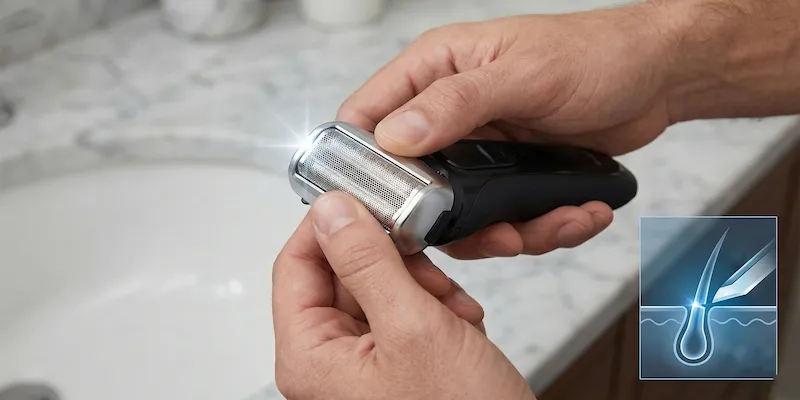
If you're past 18 months, the blade replacement alone may solve a persistent whitehead problem that cleaning and technique adjustments haven't fixed.
Should You Switch to Wet Electric Shaving?
Wet shaving — using shaving foam or gel with a wet-rated electric shaver — creates a lubricating barrier between the foil and the skin. For people whose whiteheads are primarily friction-driven, this can make an immediate difference.
The foam acts as a physical separator that reduces direct foil-to-skin contact on each stroke. It also softens the hair, which means the blades cut more cleanly and create less drag on the surrounding skin.
When Whiteheads After Shaving Mean Something More
Most post-shave whiteheads on the neck resolve within a few days once you fix the underlying cause. But some patterns are worth paying attention to.
If bumps are deep, hot to the touch, or growing in size rather than resolving, you're likely dealing with folliculitis — an infected follicle — rather than a surface-level whitehead. This doesn't resolve with better shaving technique alone. A short course of topical antibiotic cream usually clears it, but see a dermatologist if it spreads or keeps coming back.
If you notice a reaction that appears specifically where the foil contacts skin — not the neck generally, but the exact foil-width pattern — nickel sensitivity from the shaver foil is worth considering. Some people develop a contact dermatitis reaction to the nickel content in standard stainless steel foils. Switching to a titanium-coated or hypoallergenic foil resolves this completely in most cases.
If you've addressed cleaning, technique, blade replacement, and post-shave hygiene and are still seeing consistent breakouts after four weeks, a dermatologist visit is the right next step. At that point it's more likely a skin-specific issue — underlying acne, rosacea, or a dermatitis condition — than a shaving problem.
Frequently Asked Questions
The most common reasons are a dirty shaver head transferring bacteria to the skin, clogged follicles from dead skin and sebum buildup, dull blades creating friction and micro-tears, or too much pressure during shaving. The neck is particularly reactive because the skin is thinner and the follicles are larger than on the jaw and cheeks. Start by deep cleaning your shaver with alcohol spray, reducing pressure, and changing your post-shave towel. Most people see improvement within one to two weeks.
Electric shavers don't cause acne in the clinical sense — that's a hormonal and sebum production issue. But they can cause acneiform breakouts: pus-filled bumps that look and behave like acne but are triggered by bacterial contamination from the shaver, follicle irritation from dull blades, or skin barrier disruption from friction. These resolve faster than real acne (usually within days) and respond directly to shaver hygiene improvements rather than acne skincare products.
Not necessarily — and stopping often doesn't help as much as you'd expect, because ingrown hairs from re-growing stubble can cause their own irritation. A better approach is to shave every two to three days while you address the cause: deep clean the shaver, reduce pressure, and exfoliate lightly between shaves. If breakouts are severe or spreading, taking a week off while you fix the underlying issue makes sense. Don't use topical acne treatments directly after shaving on broken skin — apply them the evening before instead.
Post-shave whiteheads caused by clogged pores or bacterial contamination typically resolve in three to five days. If you've fixed the trigger (cleaned the shaver, adjusted technique), they'll stop appearing with subsequent shaves. Deeper, more inflamed bumps — likely folliculitis — can take seven to ten days to fully clear. If anything lasts longer than two weeks or spreads, that's worth showing to a dermatologist.
Yes, in the right form. An isopropyl alcohol spray (70%) applied to the foil and run through for a few seconds is an effective and safe disinfection method. What you want to avoid is soaking plastic components in undiluted alcohol for extended periods, which can degrade the housing over time. Dedicated shaver cleaning sprays are formulated at the right concentration and include lubricants that protect the foil after disinfection — they're worth using over a generic alcohol spray if you shave daily.