Your hair feels clean after shampooing—no grease, no obvious dirt—yet somehow it looks dull, feels stiff, or has lost its natural shine. You condition thoroughly, use quality styling products, and maintain what should be a healthy routine, but the results keep disappointing. The texture is off, products don't seem to work as well as they should, and you can't figure out what's missing.
Then you discover "metal detox" or "chelating" shampoos being marketed as the solution, often at two or three times the price of your current shampoo. The claims are compelling—remove mineral buildup, restore vibrancy, make products work again—but the price difference raises obvious questions.
If both types of shampoo clean hair, why does one cost significantly more? What exactly is different about the formula? And most importantly, do you actually need it?
This guide breaks down the real differences between metal detox shampoos and regular shampoos, explains what each actually does (versus what marketing claims), and helps you determine whether the investment makes sense for your specific hair situation.
Table of Contents
- Introduction
- What "Metal Detox" Actually Means
- How Regular Shampoo Really Works
- Why Hair Feels "Clean but Heavy"
- Metal Detox Shampoo: What Makes It Different
- Side-by-Side Comparison
- Who Actually Needs Metal Detox Shampoo
- Can Metal Detox Replace Regular Shampoo?
- How Often Should You Use It?
- Common Myths (Quick Debunking)
- Is It Worth the Price? (Honest Verdict)
- Final Verdict
What "Metal Detox" Actually Means (No Marketing)
The term "metal detox" sounds dramatic and scientific, but understanding what it actually refers to removes the mystery and marketing hype.
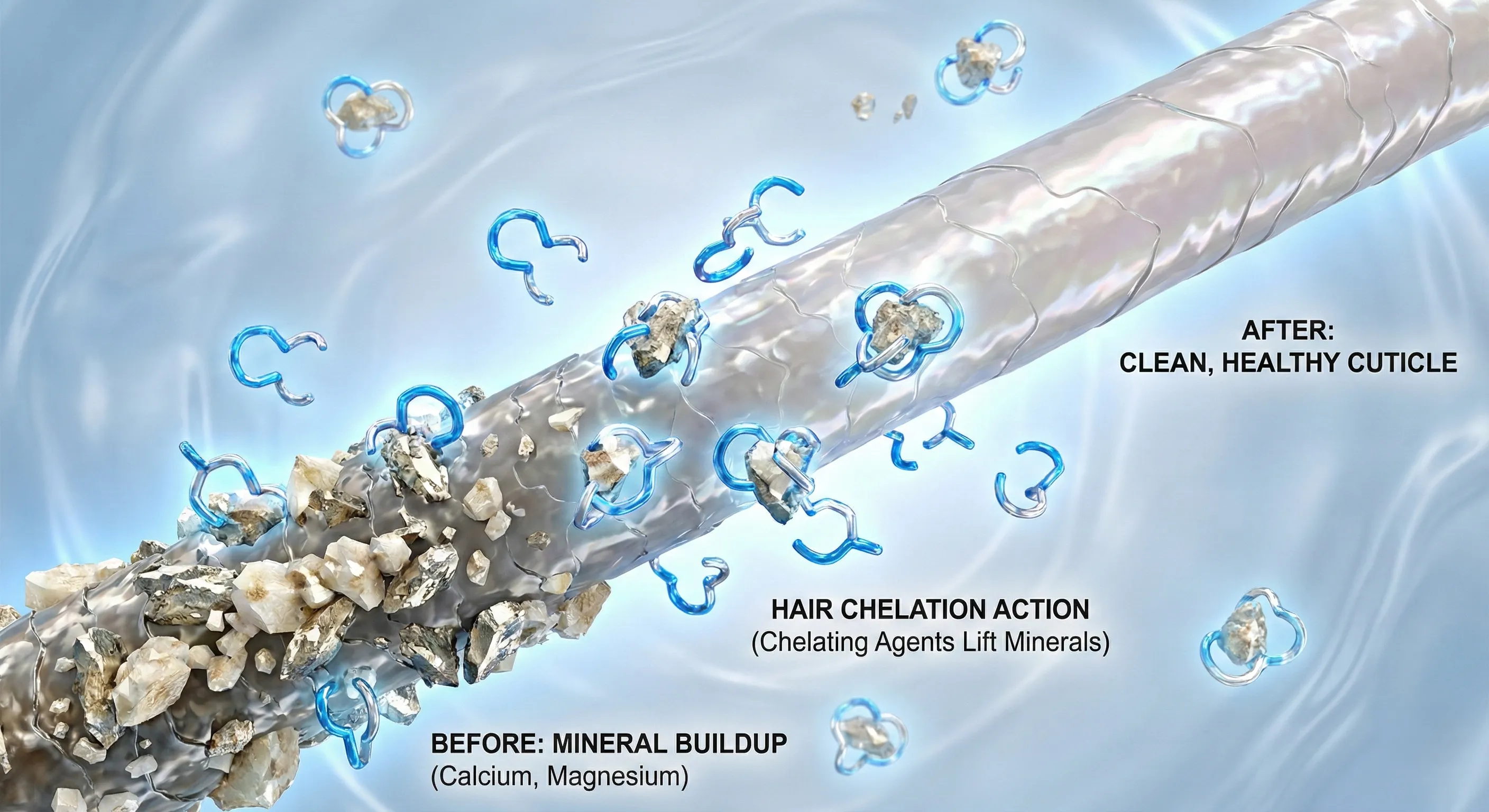
"Metals" in this context means minerals—primarily calcium and magnesium from hard water, but also iron, copper, and manganese that can accumulate on hair from various sources. These aren't toxic heavy metals requiring medical detoxification; they're common minerals present in water supplies, old plumbing, and even some hair products.
"Detox" means removal of these accumulated minerals that have bonded to your hair shaft over time. It's not about cleansing toxins or purifying in a wellness sense—it's specifically about breaking chemical bonds between metal ions and hair proteins.
The key distinction: Metal detox is about chemical binding, not physical scrubbing. Regular shampoos clean through surfactants that dissolve oils and rinse away dirt. Metal detox shampoos use chelating agents that form complexes with metal ions, pulling them away from hair proteins through specific chemical reactions.
This isn't about sulfate strength or how aggressively a shampoo strips. A metal detox shampoo can be quite gentle in terms of oil removal while still being highly effective at mineral removal—the two processes are chemically distinct.
How Regular Shampoo Really Works
Understanding what regular shampoo does—and critically, what it doesn't do—clarifies why specialized products exist for mineral buildup.
What Regular Shampoo Removes
- Sebum and natural oils: Surfactants in shampoo (sulfates like SLS/SLES, or gentler alternatives like coco-glucoside) are designed to emulsify oils. They surround oil molecules, allowing them to mix with water and rinse away. This is shampoo's primary function.
- Dirt and environmental pollutants: Dust, pollen, pollution particles, and other environmental debris that accumulates on hair washes away easily with surfactant-based cleansing.
- Styling product residue: Gels, mousses, hairsprays, and similar products typically contain ingredients that regular surfactants can dissolve and remove.
- Surface-level loose deposits: Anything sitting loosely on the hair surface—including minerals that haven't yet bonded to hair proteins—rinses away with thorough shampooing.
What Regular Shampoo Cannot Remove
- Bonded mineral deposits: Calcium, magnesium, iron, and copper form ionic bonds with the negatively charged protein sites on your hair shaft. These aren't oil-based, so oil-dissolving surfactants can't break these bonds. The minerals remain chemically attached regardless of how much you shampoo.
- Oxidized metals: Copper and iron that have oxidized on your hair create particularly stubborn deposits that resist normal cleansing entirely.
- Deep-penetrating mineral accumulation: In very porous or damaged hair, minerals penetrate into the hair shaft itself, not just coating the surface. Surface cleansing—no matter how thorough—cannot reach these internal deposits.
Why Hair Feels "Clean but Heavy"
This is the signature feeling that indicates you need chelating treatment rather than just better cleansing. Your hair is genuinely clean in the traditional sense—no excess oil, no dirt, freshly washed—but it feels coated, stiff, or weighted down. This coating is mineral buildup that regular shampoo removed surface oils from but left the underlying mineral layer completely intact.
The heaviness persists despite deep cleansing because you're addressing the wrong type of buildup. It's like trying to remove paint with soap—the soap cleans the surface, but the paint remains because it requires different chemistry to remove.
For comprehensive understanding of how these mineral deposits create the distinctive "dry yet greasy" sensation and why standard products fail, see How Hard Water Damages Hair (And Why It Feels Dry & Greasy at the Same Time).
Metal Detox Shampoo: What Makes It Different
The fundamental difference isn't marketing or price—it's the inclusion of specific ingredients designed to break mineral-to-protein bonds that regular cleansers cannot affect.
The Role of Chelating Agents
EDTA (Ethylenediaminetetraacetic acid) is the most common and effective chelating agent in hair care. EDTA molecules have multiple binding sites that grab onto metal ions (calcium, magnesium, iron, copper) and form stable complexes with them. These EDTA-metal complexes are more stable than the original metal-protein bonds, so the EDTA essentially steals the metals away from your hair, allowing them to be rinsed down the drain.
Different EDTA forms serve different purposes:
- Disodium EDTA: Common in shampoos, effective for calcium and magnesium
- Tetrasodium EDTA: Stronger chelating power, better for iron and copper
- Calcium Disodium EDTA: Specifically targets heavy metals
Sodium gluconate is a gentler, biodegradable chelator gaining popularity in natural formulations. It works through similar chemistry but less aggressively than EDTA. Good for maintenance and prevention rather than heavy buildup removal.
Phytic acid (from rice bran and other plant sources) offers plant-derived chelating action. It's slower-acting than EDTA but provides cumulative benefit with regular use and has additional antioxidant properties.
Citric acid appears in many shampoos primarily for pH adjustment, but it has mild chelating properties as well. It's not sufficient alone for significant mineral buildup but supports other chelators.
Side-by-Side Comparison
This table illustrates why metal detox shampoos cannot replace regular shampoos—they serve different primary functions, even though they both "clean" hair.
| Factor | Regular Shampoo | Metal Detox/Chelating Shampoo |
|---|---|---|
| Primary cleaning method | Surfactants dissolve oils | Chelating agents bind minerals |
| Removes oil and sebum | ✅ Excellent | ✅ Yes (contains surfactants too) |
| Removes styling products | ✅ Yes | ✅ Yes |
| Removes dirt and pollutants | ✅ Yes | ✅ Yes |
| Removes mineral buildup | ❌ No (cannot break mineral bonds) | ✅ Yes (specifically designed for this) |
| Removes hard water deposits | ❌ No | ✅ Yes |
| Removes oxidized metals | ❌ No | ⚠️ Some formulas (depends on strength) |
| Recommended frequency | Daily to every few days | Once every 7-14 days (or as needed) |
| Risk of over-drying | Low to moderate | Moderate (chelating can strip protective layers) |
| Must follow with conditioning | Recommended | ✅ Essential (non-negotiable) |
| Suitable for daily use | ✅ Yes (if gentle formula) | ❌ No (too aggressive for daily) |
| Price range | $5-25 | $15-40+ |
| Who should use it | Everyone for routine cleansing | People with hard water, mineral buildup, or color issues |
Who Actually Needs Metal Detox Shampoo
Not everyone benefits from metal detox shampoo, and using it without genuine need wastes money and potentially over-treats hair. These are the situations where chelating formulas provide real value.
You likely need it if:
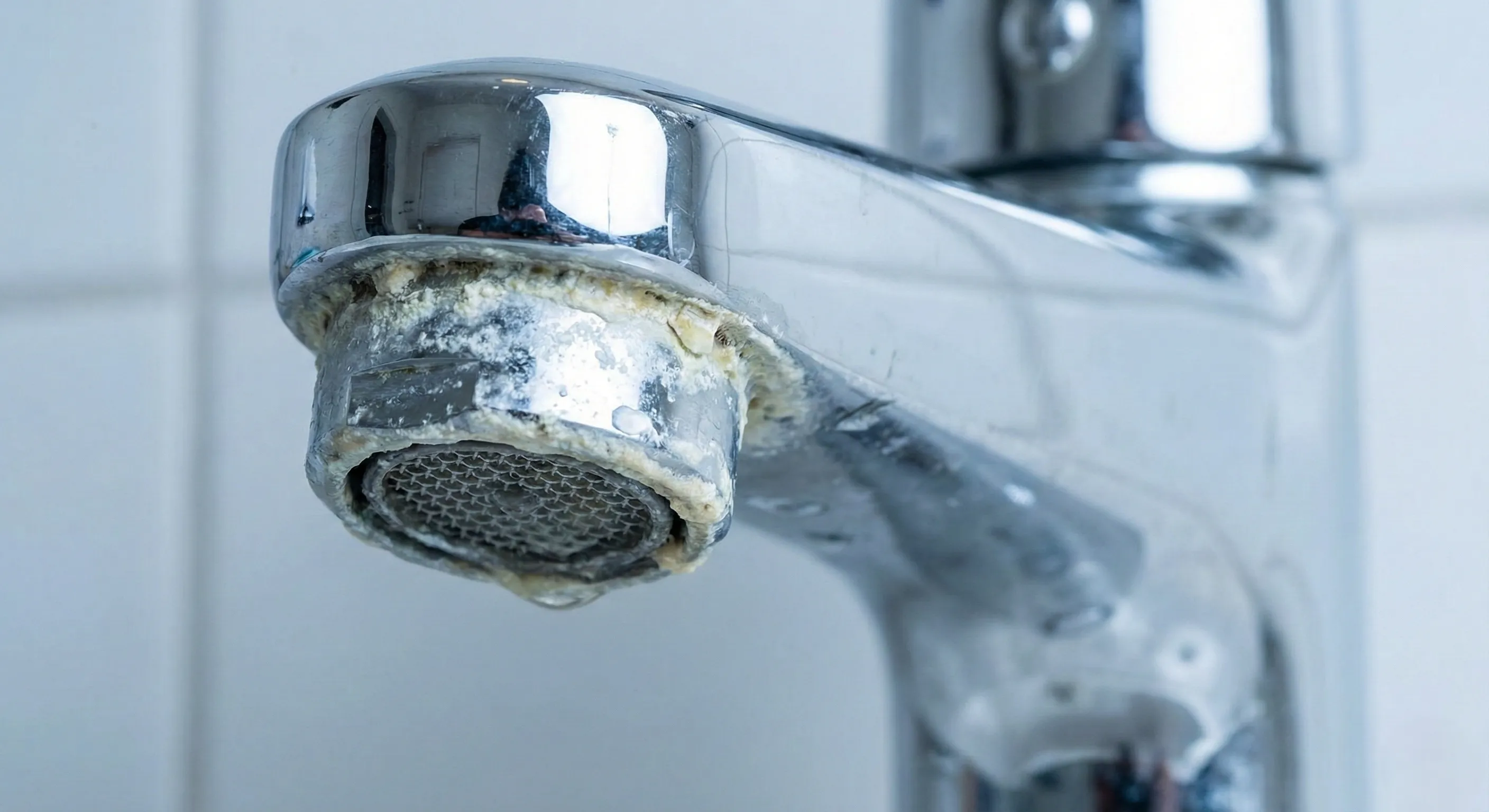
- You live in a hard water area (water hardness >120 ppm). The minerals in your water deposit on hair with every wash, creating progressive buildup that regular shampoo cannot address.
- You use a shower filter but still have issues. Filters reduce mineral content by 30-50%, which helps but doesn't eliminate exposure. If you've installed a quality filter and still experience coating, dullness, or product resistance, you need chelation.
- Your hair color fades rapidly or develops unwanted tones. Copper and iron in water can oxidize on hair, causing brassiness in blonde hair or preventing color from developing true to formula.
- Products stopped working suddenly. If conditioning treatments, styling products, or hair masks that previously worked well now seem ineffective, mineral buildup is likely creating a barrier.
- Your hair feels coated despite clarifying. You've used clarifying shampoos, yet the heavy, coated feeling persists. This indicates mineral deposits that clarifying alone cannot remove.
- You have well water. Private wells often have dramatically higher mineral content than municipal supplies—frequently 200-400+ ppm.
- You swim regularly. Pool water contains chlorine plus added metals (like copper sulfate) that deposit on hair.
You probably don't need it if:
- You have soft water (<60 ppm hardness). Soft water doesn't deposit significant minerals, so there's nothing for chelating agents to remove.
- Your primary issue is oily scalp. Excess oil production is a sebum regulation problem, not a mineral problem. Regular shampoos designed for oily hair address this better.
- You wash hair daily without buildup symptoms. If your hair looks and feels healthy with daily washing using regular shampoo, you're not accumulating minerals faster than regular cleansing can manage.
- You want preventive treatment "just in case." Chelating shampoos are corrective treatments for existing problems, not preventive measures for people without mineral exposure.
Can Metal Detox Replace Regular Shampoo?
The clear answer: No, metal detox shampoo cannot and should not replace regular shampoo.
The chemistry that makes chelating shampoos effective at mineral removal also makes them inappropriate for frequent use. Here's why:
- Over-chelating causes damage. Chelating agents don't discriminate perfectly between "bad" mineral deposits and beneficial minerals. Used too frequently, they can strip trace minerals that hair needs.
- Hair needs routine cleansing, not constant correction. Daily or alternate-day washing requires gentle cleansing that removes oil and refreshes hair without aggressive treatment.
- The drying effect compounds. Most chelating shampoos combine chelating agents with relatively strong surfactants. Using this combination frequently leads to progressive dryness and brittle texture.
- Cost becomes prohibitive. Metal detox shampoos cost 2-3x more than regular shampoos. Daily use makes hair care expenses unsustainable.
Metal detox shampoo = Treatment. Use periodically (every 7-14 days).
Regular shampoo = Maintenance. Use for routine washing between treatments.
How Often Should You Use Metal Detox Shampoo
Frequency depends primarily on water hardness and how quickly buildup accumulates for your specific hair type and porosity.
For Hard Water Areas (120-200 ppm)
Every 7-10 days provides optimal maintenance for most people. This frequency removes accumulated minerals before heavy buildup forms while avoiding over-chelating that can dry hair.
For Very Hard or Extreme Water (>200 ppm)
Every 5-7 days becomes necessary when mineral content is very high. Buildup forms quickly enough that weekly intervals allow too much accumulation between treatments. This is especially true if you have porous hair or no shower filter.
For Moderate Hard Water with Shower Filter
Every 10-14 days suffices when a filter reduces exposure. The filter slows accumulation enough that less frequent chelating maintains results.
Common Myths (Quick Debunking)
Is It Worth the Price? (Honest Verdict)
Whether metal detox shampoo justifies the 2-3x price premium over regular shampoo depends entirely on whether you have the specific problem it addresses.
It's worth the investment if:
- You have genuine mineral buildup. If you live in a hard water area, see white residue on fixtures, and your hair exhibits characteristic coating, the $20-40 you spend on chelating shampoo solves a problem regular shampoo cannot address at any price.
- Your hair issues are clearly water-related. If your hair deteriorated after moving to a new area with different water, chelating treatments directly target the cause.
- You're protecting color-treated hair. Salon color costs $100-300+. Spending $25-40 on metal detox shampoo to protect that investment from metal-induced fading is smart economics.
- Your hair improvement equals the cost. If removing mineral buildup eliminates the need for expensive masks and styling products, the quality-of-life improvement justifies the expense.
It's probably not worth it if:
- You're curious but don't have hard water. If your water is already soft (<60 ppm) and you don't have buildup symptoms, chelating shampoo won't improve your hair.
- You can solve the problem with a shower filter. If your water is moderately hard (90-120 ppm), a $40-60 filter that lasts 3-6 months might be more cost-effective than continuous shampoo purchases.
- You're looking for miracle results. If your hair problems are from heat damage or chemical processing rather than minerals, chelating won't help.
Final Verdict
The difference between metal detox and regular shampoo isn't marketing hype—it's genuine chemistry addressing different types of buildup through fundamentally different mechanisms.
Regular shampoo handles routine cleansing: oils, dirt, styling products, and surface debris. This is what you need daily or several times weekly.
Metal detox shampoo addresses mineral deposits: calcium, magnesium, iron, and copper that bond to hair proteins and resist normal cleansing. This is what you need periodically when exposed to hard water or metal-containing water sources.
Neither replaces the other. You need both in your routine if you have hard water—regular shampoo for maintenance between treatments, chelating shampoo to remove accumulated minerals every 1-2 weeks.