Introduction
If you've been struggling with hair that feels dry, looks dull, and turns greasy within hours of washing, the problem might not be your shampoo choices—it might be what's in your water. Hard water minerals coat every strand with calcium and magnesium deposits that regular shampoos simply can't remove. You've probably already experienced the frustration of switching shampoos and conditioners repeatedly, only to find the same disappointing results each time.
Understanding how hard water damages your hair is the first step toward solving the problem. The mineral buildup creates a barrier that blocks moisture, disrupts your hair's natural texture, and makes even the best products ineffective. But here's the good news: specialized shampoos formulated with chelating agents can actually break down these stubborn deposits and restore your hair's health.
Table of Contents
Why Regular Shampoo Isn't Enough
Most people assume that if their shampoo can remove dirt and oil, it should also handle hard water buildup. Unfortunately, that's not how chemistry works. Standard shampoos contain surfactants designed to dissolve sebum, product residue, and environmental pollutants—all of which are oil-based or organic compounds. These cleansing agents work by surrounding oil molecules and washing them away with water.
Mineral deposits from hard water are an entirely different category of problem. Hard water contains concentrated minerals like calcium and magnesium that bond ionically to the keratin proteins in your hair shaft. This creates a chemical attachment that oil-dissolving surfactants can't break. No matter how thoroughly you lather, rinse, and repeat with regular shampoo, the mineral layer remains intact, gradually thickening with every wash.
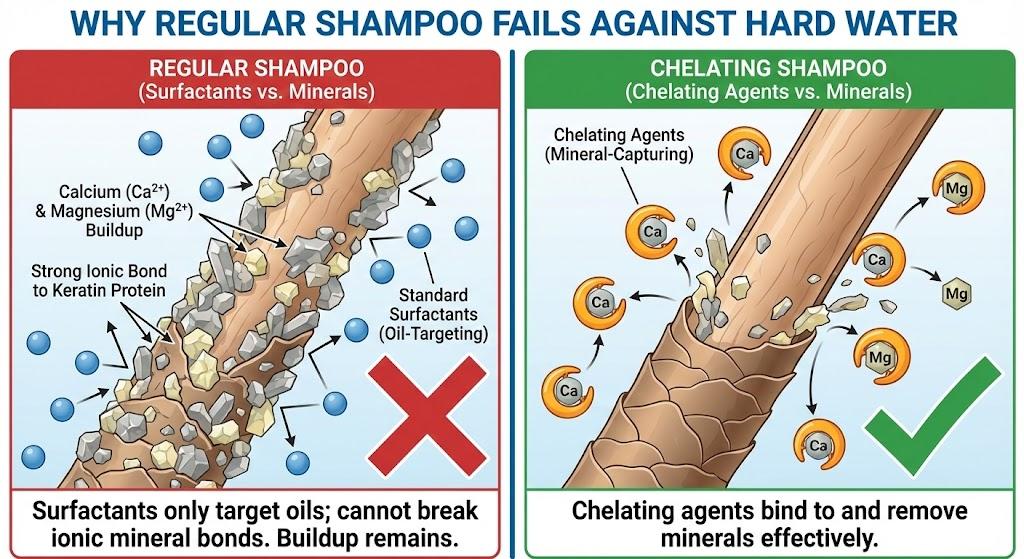
The situation actually worsens over time because each shampooing removes your hair's protective oils while depositing fresh minerals. Your scalp compensates by producing excess sebum, which gets trapped on top of the mineral coating rather than distributing down the hair shaft. This explains why your hair can simultaneously feel stripped yet coated, dry yet greasy—a paradox that regular shampoo only perpetuates.
To truly remove hard water buildup, you need chelating agents. These specialized ingredients work by binding to metal ions and pulling them away from your hair. Think of them as chemical magnets that specifically target minerals, releasing the grip these deposits have on your hair shaft and allowing them to be rinsed away completely.
The Best Shampoo Ingredients for Hard Water Hair
EDTA (Ethylenediaminetetraacetic Acid)
If you want to try chelating hair at home, a shampoo with EDTA is your strongest weapon. EDTA is one of the most effective chelating shampoo ingredients available. It works by forming stable complexes with calcium and magnesium ions, effectively neutralizing them and preventing them from re-depositing.
When searching for the best chelating shampoo for hard water, look for Disodium EDTA or Tetrasodium EDTA on the label. Unlike harsh clarifying agents, an EDTA shampoo specifically targets metal ions while leaving beneficial moisture, making it the ideal hard water shampoo for mineral buildup.
The beauty of EDTA is its precision. Unlike harsh clarifying agents that strip everything from your hair indiscriminately, EDTA specifically targets metal ions while leaving beneficial moisture and proteins largely undisturbed. This makes it safe for regular use, even on color-treated or chemically processed hair, though moderation is still important.
Citric Acid
Citric acid offers a gentler approach to chelating minerals from hard water. As a natural alpha-hydroxy acid derived from citrus fruits, it allows products to gently cleanse the hair while lowering the pH of your shampoo, which helps dissolve mineral deposits and smooth the hair cuticle. While not as aggressive as EDTA, citric acid provides a balanced solution for people with sensitive scalps or those who prefer more natural formulations.
The acidic environment created by citric acid also helps close the hair cuticle after cleansing, which enhances shine and reduces frizz. This dual action makes it particularly valuable in shampoos designed for hard water areas, as it both removes buildup and improves the immediate feel and appearance of your hair.
Chelating Agents (Phytic Acid, Gluconic Acid)
These alternatives are increasingly popular in clean beauty formulations and sulfate-free shampoos. While they may work slightly slower than EDTA, they're often gentler on the hair and scalp, making them suitable for frequent use without the drying effects sometimes associated with stronger chelators.
Hydrating and Protective Ingredients
Because hard water already dehydrates your hair, the best shampoos for this condition include moisturizing ingredients to counteract dryness. Look for formulas containing aloe vera, glycerin, panthenol (pro-vitamin B5), or hyaluronic acid. These humectants attract and retain moisture, helping to replenish what hard water strips away.
Natural oils like argan, jojoba, or coconut oil in small amounts can also provide protective benefits without weighing down your hair. The key is balance—enough moisture to combat dryness, but not so much that it contributes to the greasy buildup problem.
Our List of Chelating Shampoos Proven to Work
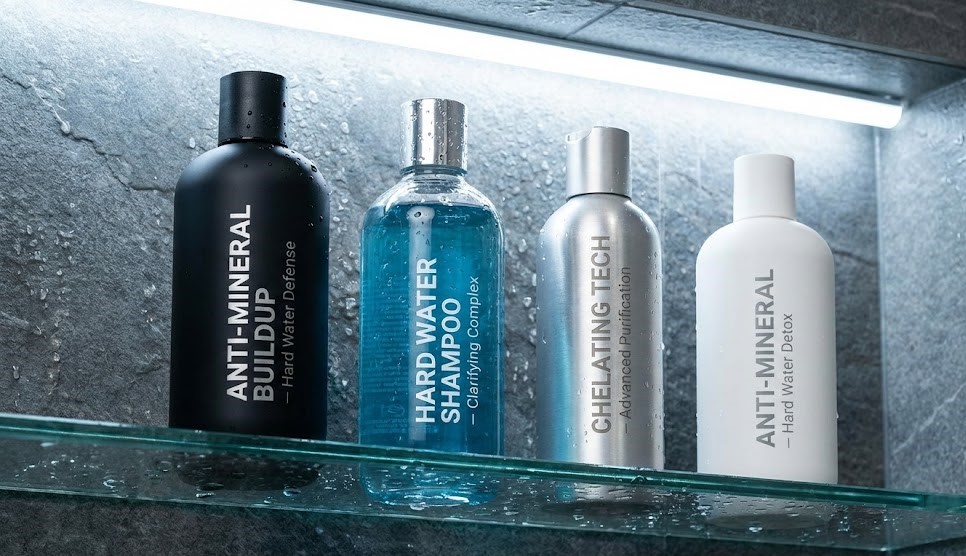
Below is our curated list of chelating shampoos, including top-rated shampoos with chelating agents like EDTA and natural acids, designed specifically to tackle hard water mineral buildup.
Disclaimer: As an Amazon Associate, we earn from qualifying purchases.
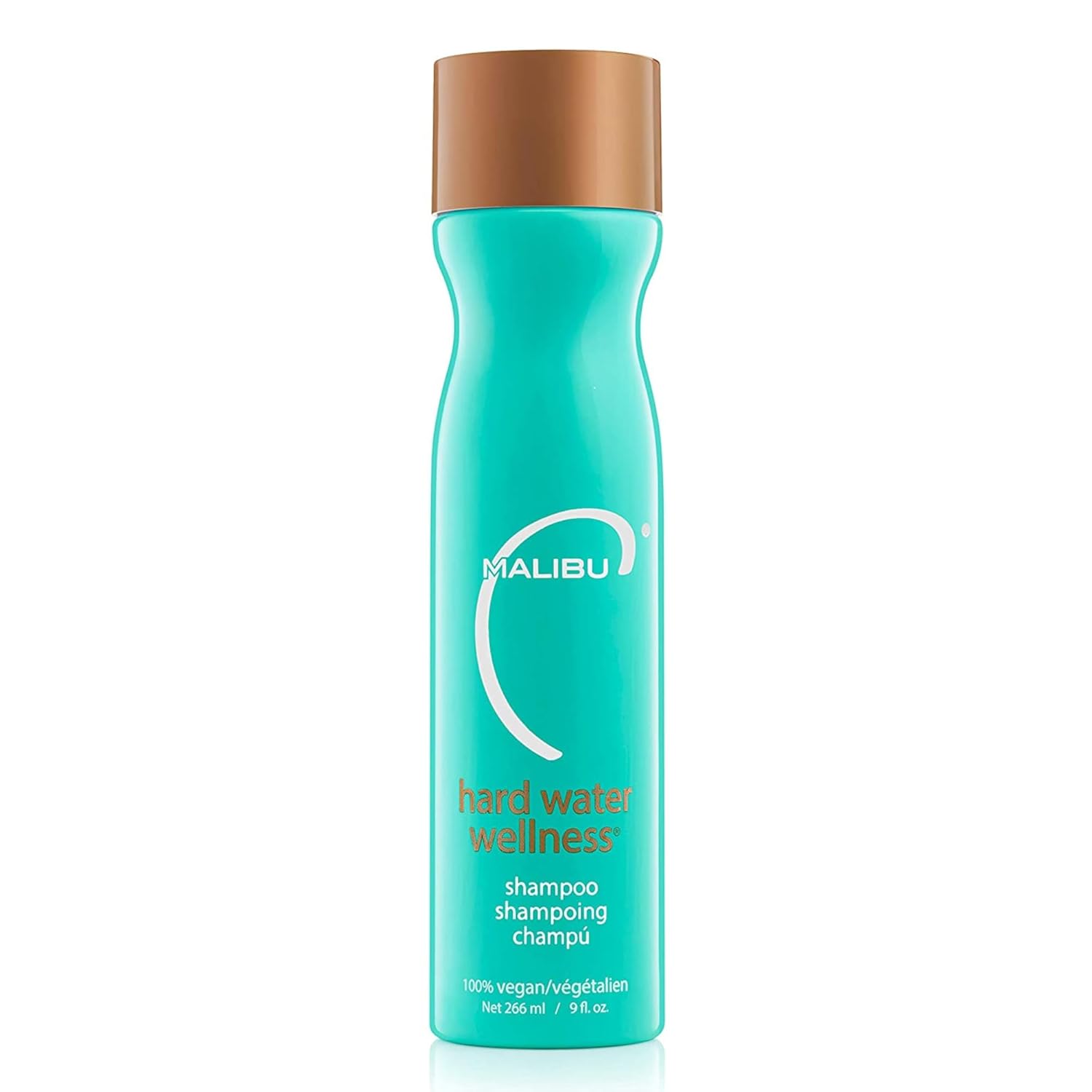
Hard Water Wellness Shampoo
Specifically formulated to remove hard water minerals, chlorine, and other impurities that regular shampoos leave behind. The vitamin C-infused formula gently lifts deposits without stripping natural oils, making it safe for color-treated hair.
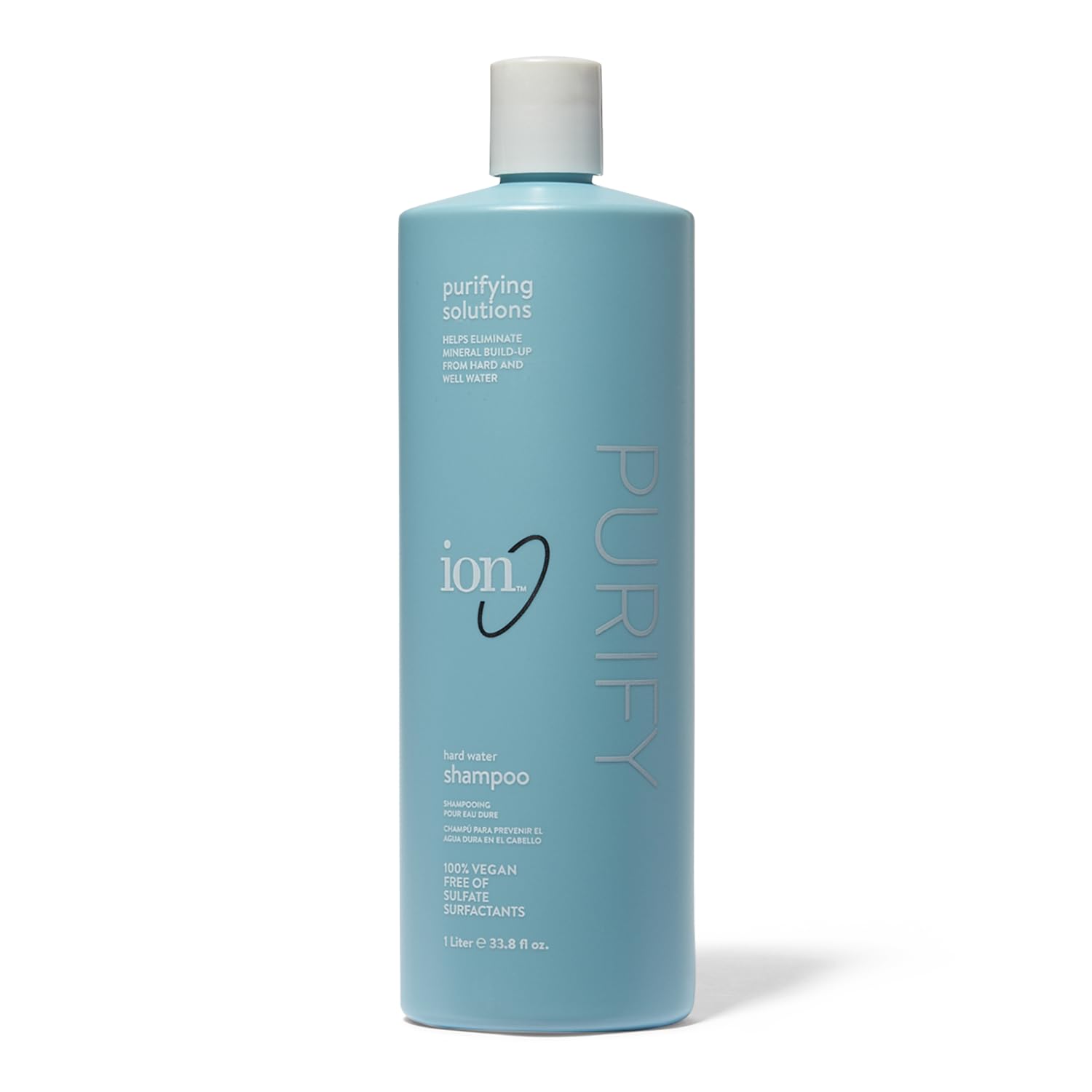
Hard Water Shampoo
Provides effective chelating action for everyday use. The formula is gentle enough for frequent washing while still powerful enough to combat mineral accumulation in extremely hard water areas.
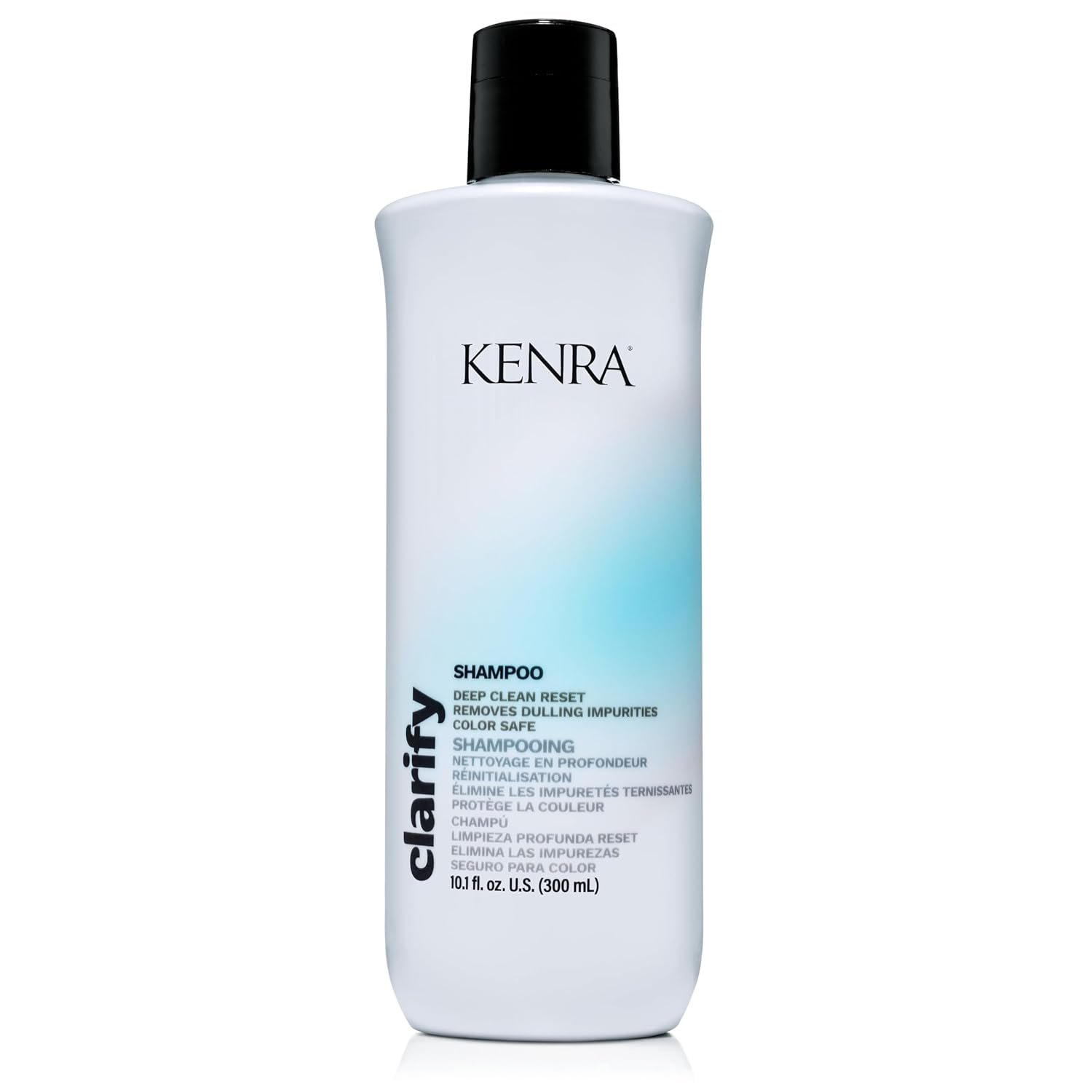
Clarifying Shampoo
Kenra offers a more intensive approach, combining chelating ingredients with clarifying agents to remove stubborn buildup. This is ideal for people who've been dealing with hard water damage for months or years and need a reset.
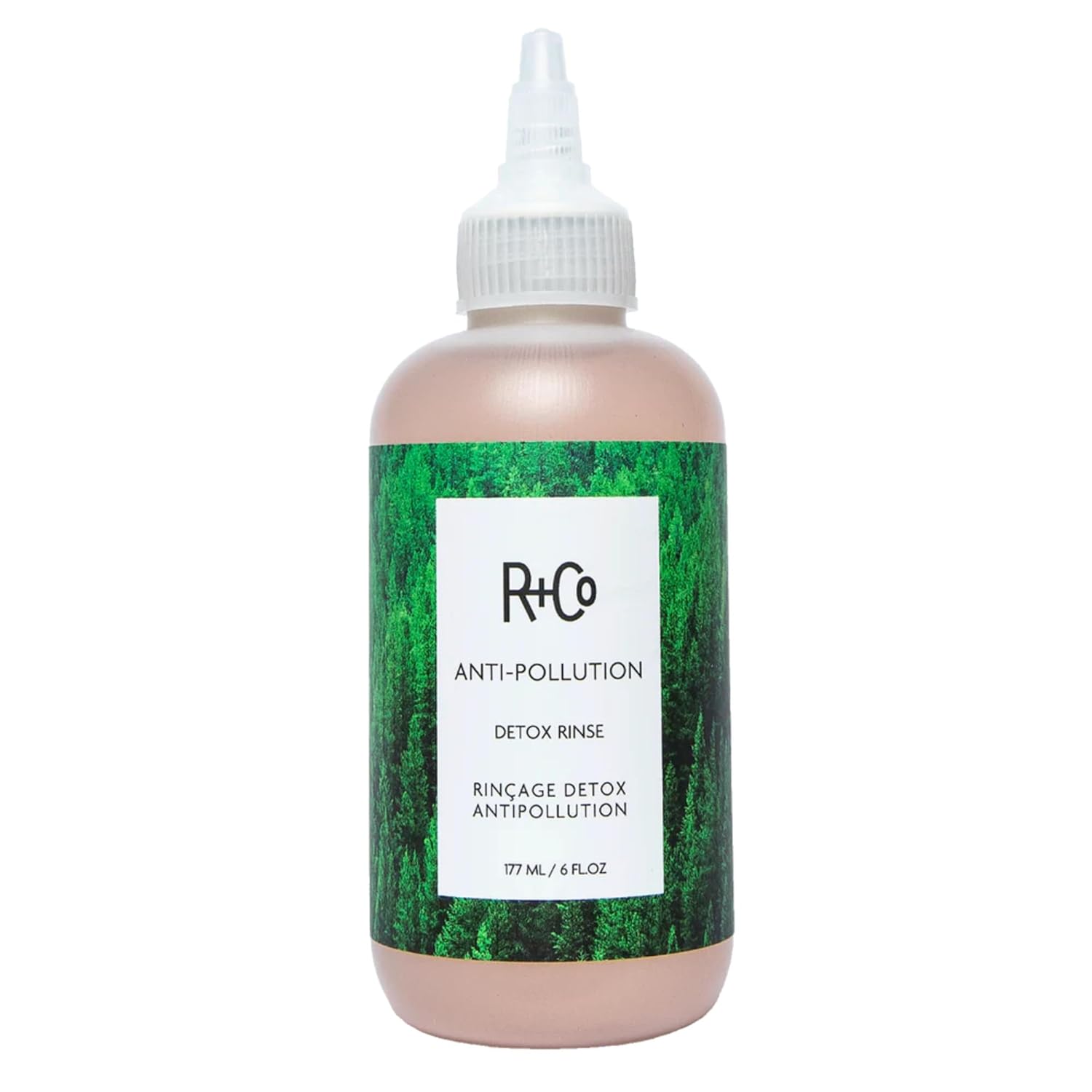
Oblivion Clarifying Shampoo
This premium option combines traditional chelators with natural ingredients like apple cider vinegar that help balance pH and remove buildup. The witch hazel provides additional scalp benefits, reducing inflammation and controlling oil production.
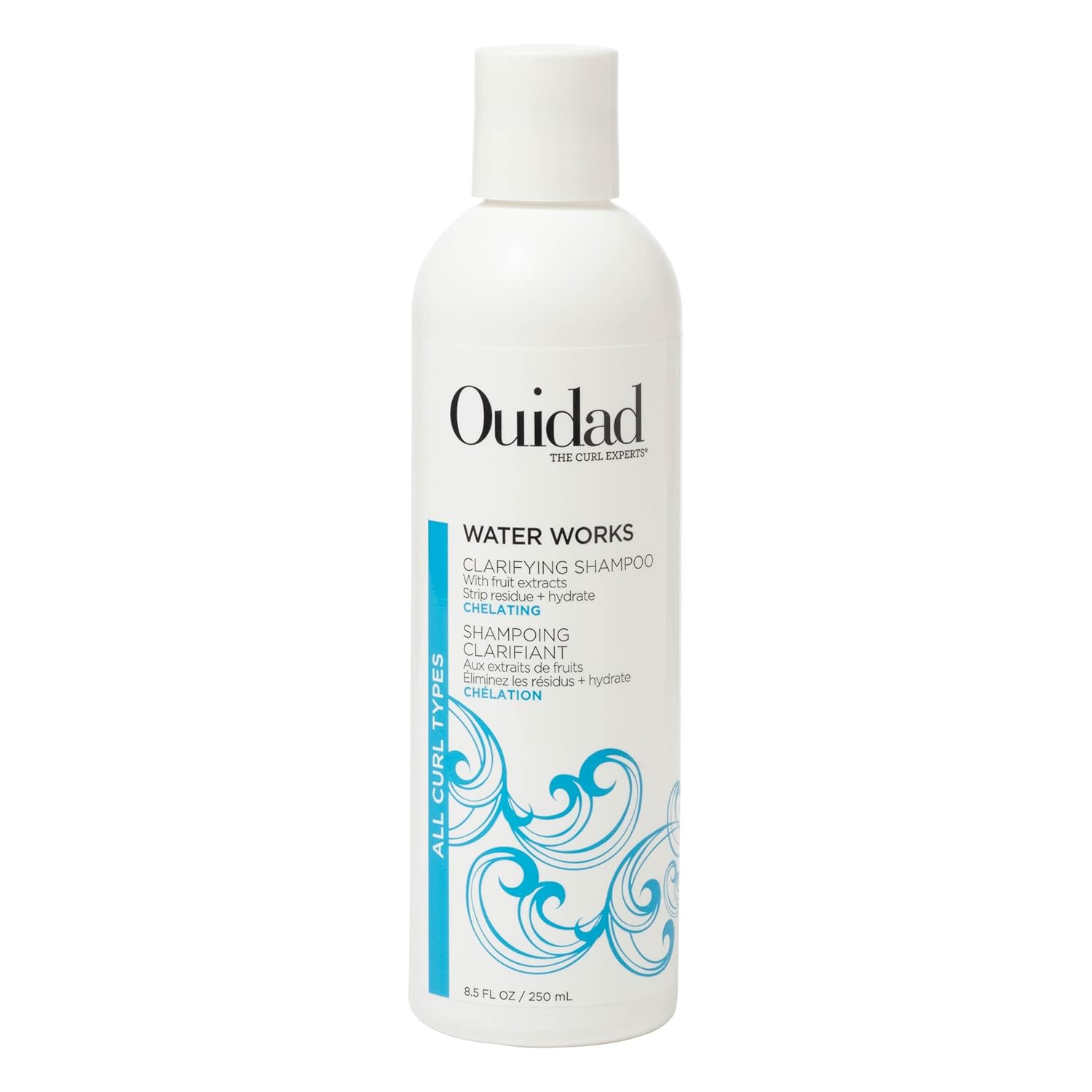
Water Works Clarifying Shampoo
Curly hair requires special attention; this formula removes deposits while maintaining the moisture balance that curls need. The gentle chelating action preserves natural oils essential for curl definition.
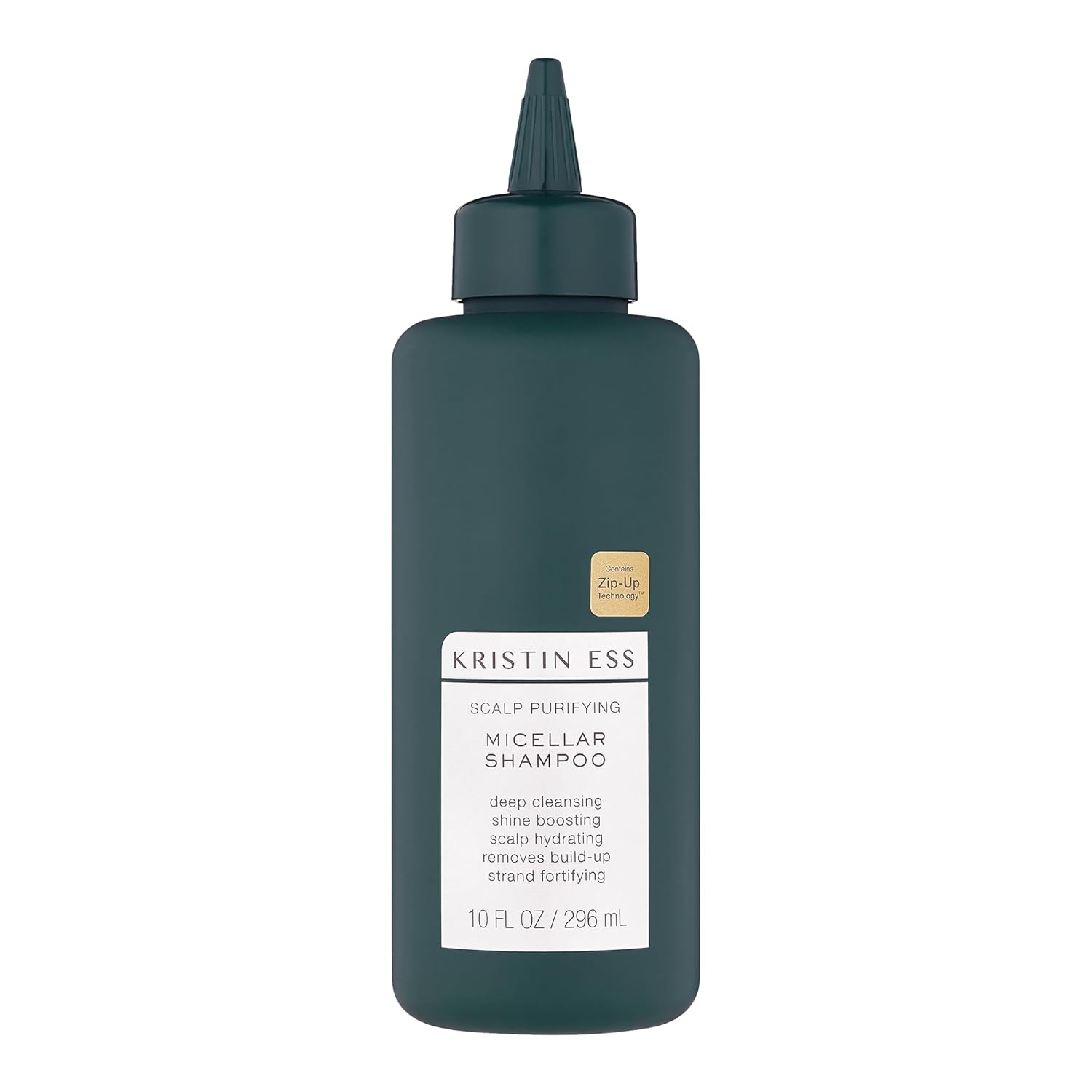
Scalp Purifying Micellar Shampoo
This innovative formula uses micellar technology to lift oil and mineral deposits from the scalp without over-drying the lengths. Perfect for the classic greasy-roots-and-dry-ends paradox.
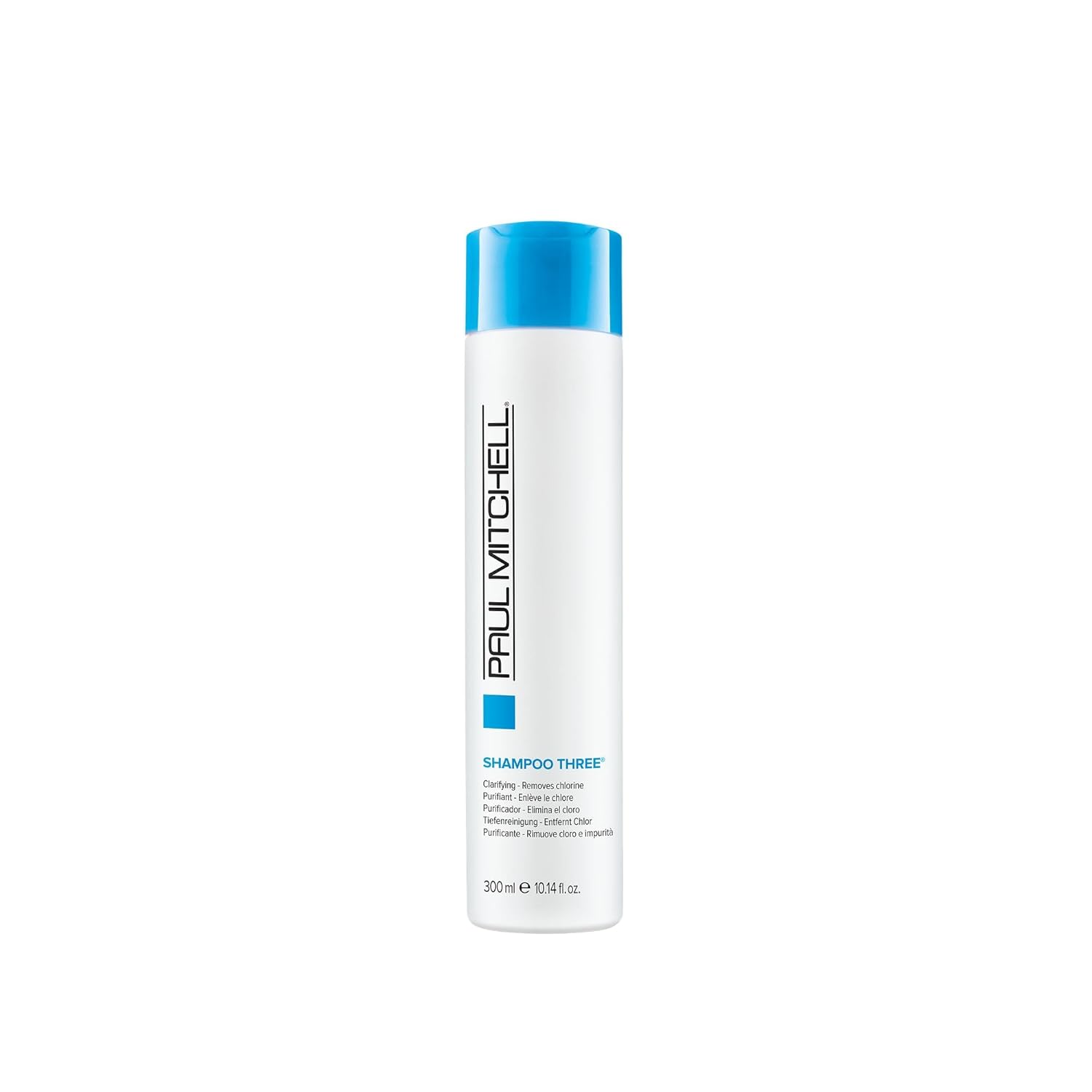
Shampoo Three
A salon favorite for removing chlorine, iron, and hard water minerals. Paul Mitchell Shampoo Three provides deep cleansing action to effectively remove surface buildup.
How to Use Hard Water Shampoos Correctly
Proper Application Technique
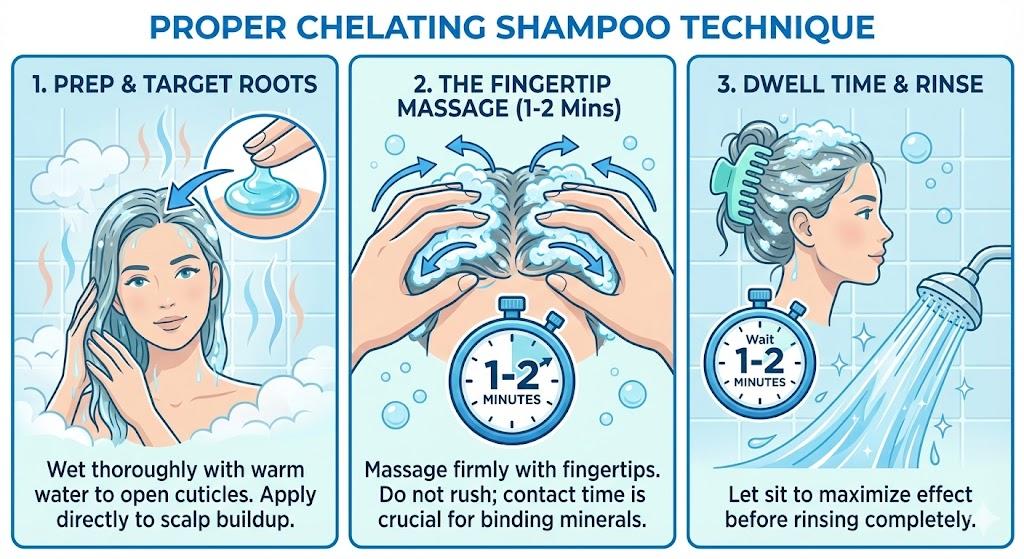
The effectiveness of chelating shampoos depends significantly on how you use them. Start by thoroughly wetting your hair with warm water, which helps open the cuticle and allows better penetration of the chelating agents. Apply a quarter-sized amount of shampoo to your scalp first, focusing on the roots where mineral buildup and oil accumulation are typically most severe.
Massage the shampoo into your scalp using your fingertips (not nails) in circular motions for at least one to two minutes. This extended massage time is crucial because chelating agents need contact time to bind with mineral deposits. Don't rush this step—the mechanical action combined with the chemical process is what removes stubborn buildup effectively.
Allow the shampoo to sit on your hair for 3 to 5 minutes before rinsing. This extended dwell time is crucial because chelating ingredients act like magnets and need time to physically pull mineral deposits away from the hair shaft. Some people prefer to clip their hair up and complete other shower tasks while waiting.
Frequency and Rotation
Finding the right washing frequency with chelating shampoos requires some experimentation based on your water hardness level and hair type. For severely hard water areas, using a chelating shampoo two to three times per week provides consistent protection against mineral accumulation. In moderately hard water, once weekly use may suffice, with a gentle sulfate-free shampoo for other washing days.
Many hair care professionals recommend a rotation system: chelating shampoo one to two times per week, a gentle daily shampoo for mid-week washes, and a clarifying treatment every two to three weeks if needed. This approach prevents both mineral buildup and over-stripping your hair's natural protective oils.
Pay attention to how your hair responds. If it feels squeaky or tangled after washing, you may be using the chelating shampoo too frequently or leaving it on too long. If buildup returns quickly, increase the frequency or dwell time.
Conditioning After Chelating Shampoo
Important Warning: Chelating shampoos are powerful and can be drying. Always follow with a deep conditioner or moisturizing mask, not just a regular daily conditioner, to restore hydration immediately.
Apply your deep conditioner from mid-lengths to ends, avoiding the scalp unless you have extremely dry skin. Because the mineral barrier has been removed, your hair is now ready to absorb moisture more effectively than ever before.
Consider incorporating a weekly deep conditioning mask or hair treatment after using your chelating shampoo. The removal of mineral buildup creates an ideal window for intensive conditioning products to work at their full potential.
Additional Rinses and Treatments
Some people benefit from an apple cider vinegar rinse after shampooing and conditioning. Mix one to two tablespoons of ACV with a cup of water and pour it over your hair as a final rinse. This acidic treatment helps seal the cuticle, adds shine, and provides additional mineral-removing benefits. No need to rinse it out—the smell dissipates as hair dries.
Another option is a final cool water rinse, which helps close the cuticle and lock in moisture from your conditioner. While it's not the most comfortable part of your shower routine, the shine and smoothness benefits are often worth the brief discomfort.
Common Mistakes That Make Shampoos Ineffective
Over-Washing Your Hair
When your hair feels greasy or heavy from hard water buildup, the instinct is to wash more frequently. However, this creates a destructive cycle. Each wash with hard water deposits more minerals while stripping protective oils, prompting your scalp to produce even more sebum to compensate. You end up needing to wash daily or multiple times daily just to feel clean.
This over-washing also doesn't give chelating shampoos time to work properly. If you're shampooing every day with a strong chelating formula, you may be removing beneficial moisture along with the minerals, leaving your hair dry and damaged. The solution is to reduce washing frequency gradually, allowing your scalp's oil production to normalize while using the right products when you do wash.
Using Heavy Oils and Serums
When hair feels dry from hard water damage, many people reach for heavy oils, serums, and leave-in treatments. While this seems logical, these products cannot penetrate through the mineral coating on your hair. Instead, they sit on top of the buildup, adding another layer that makes hair feel even more coated and greasy.
Coconut oil, argan oil, and thick leave-in conditioners should be used sparingly and only after you've addressed the mineral buildup with a chelating shampoo. Once the coating is removed, these products can actually nourish your hair. Applied to mineral-coated hair, they just create more problems.
Constantly Switching Products
Product-hopping is an understandable response to frustration, but it prevents you from accurately assessing what actually works. Chelating shampoos typically require two to four weeks of consistent use before you see significant improvement, especially if you have months or years of accumulated buildup.
Give each product a fair trial period of at least three weeks before deciding it's not working. Keep notes on how your hair responds—texture, shine, greasiness, frizz—so you can make informed decisions rather than emotional ones based on one bad hair day.
Ignoring Water Temperature
Washing hair with very hot water feels good but makes hard water problems worse. High temperatures cause the hair cuticle to swell and open wider, allowing more minerals to penetrate and deposit inside the hair shaft, not just on the surface. Hot water also stimulates oil production and can strip color from treated hair.
Use warm or lukewarm water for shampooing and conditioning, and finish with a cool rinse if you can tolerate it. This approach minimizes mineral penetration while maximizing the effectiveness of your chelating shampoo.
Skipping Conditioner
Some people avoid conditioner because they think it contributes to greasiness or buildup. In reality, skipping conditioner after using a chelating shampoo leaves your hair unprotected and more vulnerable to environmental damage and moisture loss. The key is using the right conditioner in the right way—applied to lengths and ends, not the scalp, and thoroughly rinsed.
A good conditioner creates a protective layer that can actually reduce how quickly new minerals adhere to your hair between washes. Choose lightweight, water-based formulas if you have fine or oily hair, and richer formulas if your hair is thick, coarse, or chemically treated.
Additional Tips for Managing Hard Water Hair
Install a Shower Filter
While chelating shampoos address existing buildup, a quality shower filter prevents new minerals from depositing in the first place. Look for filters that specifically target calcium and magnesium, not just chlorine. Vitamin C filters are popular and relatively affordable, though they may not remove all minerals in extremely hard water areas.
KDF (Kinetic Degradation Fluxion) filters use a copper-zinc formulation to reduce heavy metals and chlorine while also affecting mineral content. Multi-stage filters combining different technologies offer the most comprehensive protection but come at a higher price point.
Remember that even with a filter, some mineral content will remain in your water. Filters reduce the problem significantly but don't eliminate it entirely, so you'll still benefit from using chelating shampoos periodically.
Professional Salon Treatments
If your hair is severely damaged from years of hard water exposure, professional salon treatments can accelerate recovery. Chelating treatments at salons use professional-grade products with higher concentrations of active ingredients than consumer formulas. Your stylist can also assess whether you need protein treatments, deep conditioning, or other specialized care.
Malibu C offers in-salon crystal gel treatments that provide intensive mineral removal. Olaplex treatments can repair broken bonds in severely damaged hair. Ask your stylist about options specifically for hard water damage rather than generic deep conditioning treatments.
Preventive Care and Maintenance
Once you've removed existing buildup and established an effective routine, maintaining healthy hair in hard water areas becomes much easier. Prevention focuses on creating barriers between your hair and damaging minerals while ensuring you're using the right products consistently.
Consider applying a leave-in conditioner with UV protection before swimming or spending time outdoors, as this creates an additional protective layer. When traveling to areas with different water quality, bring travel-sized versions of your chelating shampoo to maintain consistency.
Regular trims every six to eight weeks remove damaged ends before they can split further up the hair shaft. While this doesn't directly address hard water damage, it keeps your hair looking healthy and prevents the tangling and breakage that mineral-damaged ends can cause.
Frequently Asked Questions
Conclusion
Living with hard water doesn't mean accepting damaged, unmanageable hair as your permanent reality. The right shampoo makes an enormous difference—not just any clarifying product, but specifically formulated chelating shampoos that target the mineral deposits causing your frustration.
The key is understanding that this isn't about finding a miracle product that works overnight. Success comes from combining effective chelating ingredients with proper application techniques, appropriate frequency, and a complete hair care routine that addresses both removal of existing buildup and prevention of future damage.
Your hair's transformation won't happen with a single wash, but with consistent use of the right products, most people notice significant improvement within two to four weeks. The dryness decreases, the greasiness balances out, shine returns, and styling becomes easier. More importantly, you stop feeling like you're fighting a losing battle every time you wash your hair.
For a deeper understanding of exactly how hard water creates these problems and the complete science behind mineral damage, explore our comprehensive guide on how hard water damages hair. Understanding the mechanism helps you make informed decisions about products and treatments that will work for your specific situation.
Ready to take control of your hair health? Start with one of the recommended chelating shampoos, commit to the proper technique, and give your hair the consistent care it needs to recover from hard water damage.