Saving Your Hair from the Coast
Living near the ocean in Oceanside affects hair differently than inland areas. The combination of salt air, UV exposure, and hard water can strip moisture, leaving locks brittle, frizzy, and prone to breakage.
This guide explains how these environmental factors impact hair health and details the clinical-grade treatments commonly recommended by professionals in Southern California to reverse damage on a molecular level.
Whether you are battling the famous "marine layer frizz" or recovering from over-processing, understanding these treatments is the first step to restoring integrity, elasticity, and shine.
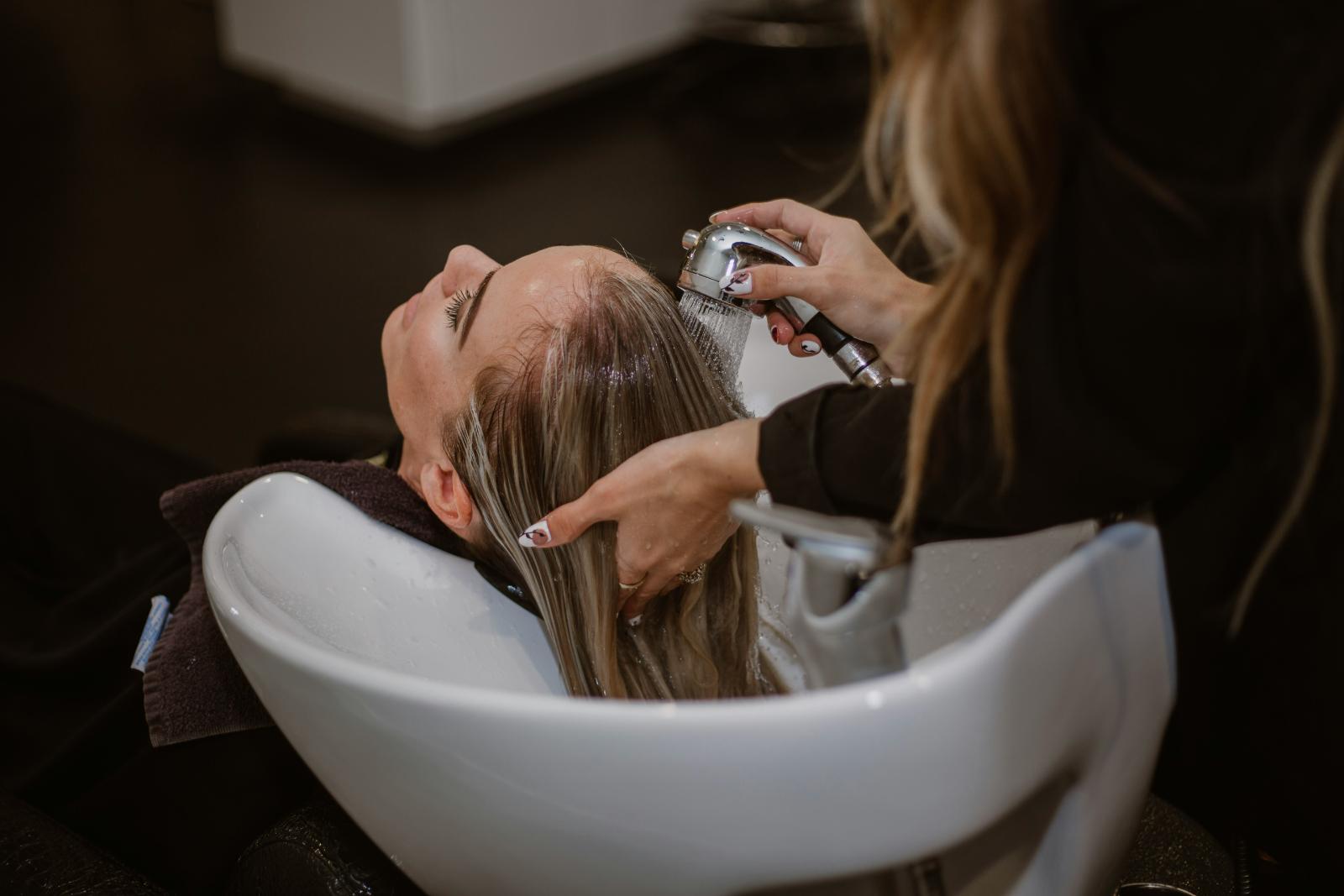
Common Hair Treatments Explained
-
Keratin Smoothing Treatment
Best for: Frizz control and humidity protection.
This treatment infuses keratin protein deep into the hair cuticle, sealing it shut and creating a shield against moisture. It is not a straightener, but a smoother. It significantly reduces blow-dry time and leaves hair silky for up to 4 months.
-
Bonding Services (like Olaplex)
Best for: Bleached or chemically damaged hair.
Essential for highlighted hair. Bonding treatments work on a molecular level to find and rebuild broken disulfide bonds. This makes hair stronger from the inside out, preventing breakage before it starts.
-
Deep Hydration Steam Masque
Best for: Dry, thirsty hair needing instant softness.
Professional steam therapy is often used to gently open the hair cuticle, allowing nutrient-rich botanical masques (shea butter, argan oil) to penetrate deeply into the hair shaft.
-
Scalp Detox & Exfoliation
Best for: Product buildup, dandruff, and slow growth.
Healthy hair starts at the root. Scalp facials use gentle exfoliation to remove impurities like sand, salt, and dry shampoo, stimulating blood flow for healthier growth.
-
Hard Water Mineral Removal
Best for: Dullness, brassy blondes, and rough texture.
Oceanside water is moderately hard. Demineralizing treatments remove calcium and magnesium deposits that build up on the hair, restoring natural brightness and softness.
How Professional Treatments Work
While every salon has its own method, the professional restoration process typically follows these steps:
Diagnosis
Stylists analyze hair porosity and elasticity to determine if moisture or protein is needed.
Clarify
Surface impurities and mineral buildup are removed to prepare the hair canvas.
Treat
Customized formulas are applied, often using heat or steam for deeper penetration.
Seal
Nutrients are locked in with a pH-balancing rinse and a cool water seal.
General Maintenance Recommendations
- Cold Rinse: Finishing a shower with cool water helps close the cuticle, locking in moisture and increasing shine.
- Silk Pillowcase: Using silk or satin reduces friction while sleeping, preventing breakage and bedhead frizz.
- Leave-In Protection: Detangling wet hair without a leave-in conditioner can cause snapping, as wet hair is in its most fragile state.
Frequently Asked Questions
Ready to Restore Your Hair?
Find the best local professionals for your hair needs.
See Top Rated Salons